

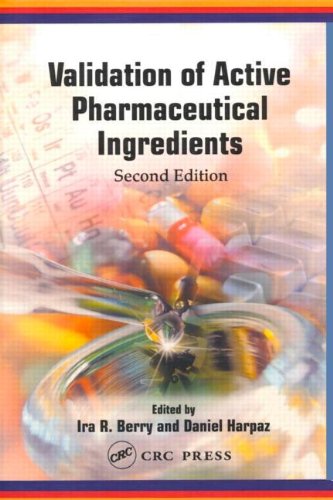
Validation of Active Pharmaceutical Ingredients 2nd Edition by Ira Berry, Daniel Harpaz ISBN 1574911198 9781574911190


Original price was: $50.00.$35.00Current price is: $35.00.
Validation of Active Pharmaceutical Ingredients 2nd Edition by Ira Berry, Daniel Harpaz – Ebook PDF Instant Download/Delivery: 1574911198, 9781574911190
Full download Validation of Active Pharmaceutical Ingredients 2nd Edition after payment
Product details:
ISBN 10: 1574911198
ISBN 13: 9781574911190
Author: Ira Berry, Daniel Harpaz
The validation of Active Pharmaceutical Ingredients (APIs) is a critical aspect of the pharmaceutical industry, ensuring the safety, efficacy, and quality of drugs that are delivered to patients worldwide. APIs are the biologically active components responsible for the therapeutic effects of medications, and their production involves rigorous standards and guidelines to guarantee that they meet the required regulatory, safety, and quality specifications.
In recent years, the pharmaceutical sector has seen increasing complexity in API manufacturing due to advancements in technology, stricter regulatory demands, and growing globalization of the industry. Validation serves as a cornerstone in maintaining product integrity throughout the development, manufacturing, and distribution phases, while ensuring compliance with regulatory frameworks set by agencies such as the U.S. Food and Drug Administration (FDA), the European Medicines Agency (EMA), and the International Council for Harmonisation (ICH).
Validation of Active Pharmaceutical Ingredients 2nd Table of contents:
-
Regulatory Framework for API Validation
- Key Regulatory Bodies: FDA, EMA, ICH Guidelines
- Good Manufacturing Practices (GMP) for APIs
- Role of Regulatory Agencies in API Validation
- Understanding the FDA’s 21 CFR Part 11 and Other Relevant Regulations
-
API Development and the Role of Validation
- The Drug Development Process: From Discovery to Manufacturing
- The Role of Validation in Ensuring API Quality
- Critical Quality Attributes (CQAs) of APIs
- The Interdependence of Research, Development, and Validation
-
Types of Validation in API Production
- Process Validation: Importance and Methodologies
- Analytical Validation: Ensuring Accurate Testing and Analysis
- Cleaning Validation: Preventing Cross-Contamination
- Equipment Validation: Ensuring Proper Functionality and Calibration
- Packaging and Labeling Validation: Ensuring Accuracy and Compliance
-
Raw Materials and Supplier Qualification
- Validation of Raw Materials for API Production
- Supplier Qualification and Audits
- Ensuring the Quality and Safety of Raw Materials
- Testing and Documentation Requirements for API Ingredients
-
Validation of Manufacturing Processes for APIs
- Process Design and Control Strategies
- Risk-Based Approach to Process Validation
- Scaling-Up from Laboratory to Full Production
- Case Studies of Successful API Process Validation
- Validation of Continuous vs. Batch Production
-
Analytical Methods and Techniques in API Validation
- Importance of Analytical Testing in API Validation
- Analytical Techniques: HPLC, GC, Spectroscopy, and Other Methods
- Validation of Analytical Procedures: Qualification and Validation Protocols
- Data Integrity and the Role of Technology in Analytical Validation
-
Cleaning and Cross-Contamination Control
- Methods and Standards for Cleaning Validation
- Developing Effective Cleaning Protocols
- Monitoring and Preventing Cross-Contamination
- Regulatory and Compliance Requirements for Cleaning
- Case Studies on Cleaning Validation in API Production
-
Stability Studies and Shelf Life Determination
- The Importance of Stability Testing in API Validation
- Stability Studies: Protocols, Methods, and Regulatory Considerations
- Determining Shelf Life and Storage Conditions for APIs
- Understanding Accelerated vs. Long-Term Stability Testing
-
Risk Management and Quality Control in API Validation
- Risk Management in the Validation Process
- Implementing Quality Control Measures in API Production
- Understanding the Risk-Based Approach to Validation
- Tools and Techniques for Effective Risk Assessment
-
Documentation and Reporting in API Validation
- Importance of Documentation in Validation Activities
- The Validation Master Plan (VMP) and its Role
- Maintaining Records: Batch Production Records, Validation Reports, and Logs
- Proper Documentation Practices for Compliance and Audits
-
Deviations, Out-of-Specification Results, and CAPA
- Identifying and Handling Deviations in API Production
- Out-of-Specification (OOS) Results: Investigation and Reporting
- Corrective and Preventive Actions (CAPA) for Validation Issues
- Real-Life Examples and Case Studies of CAPA Implementation
-
The Role of Technology and Automation in API Validation
- The Impact of Automation on Validation Processes
- Implementing Electronic Batch Records (EBR) and Electronic Systems
- Advancements in Technology for Real-Time Data and Process Monitoring
- Regulatory Challenges in the Age of Digital Validation
-
Validation in the Context of API Life Cycle Management
- Validation During New Product Introduction
- Ongoing Validation Requirements During API Production
- Revalidation and Change Control Procedures
- The Lifecycle Approach to API Validation
-
Global Perspectives on API Validation
- Comparing Validation Practices Across Different Regions
- Harmonization Efforts: ICH and Other International Standards
- Addressing Challenges in Global API Manufacturing and Validation
- Exporting APIs: Regulatory Considerations and Validation Requirements
-
Emerging Trends in API Validation
- Innovations in Analytical and Process Validation Technologies
- The Future of Process Analytical Technology (PAT) in API Validation
- Challenges in Validating Biopharmaceutical APIs
- The Role of Data Analytics and Artificial Intelligence in API Validation
People also search for Validation of Active Pharmaceutical Ingredients 2nd:
validation of active pharmaceutical ingredients
types of active pharmaceutical ingredients
what is active pharma ingredients
active pharmaceutical ingredient list
active pharmaceutical ingredient regulations
Tags:
Ira Berry, Daniel Harpaz,Validation,Pharmaceutical Ingredients