

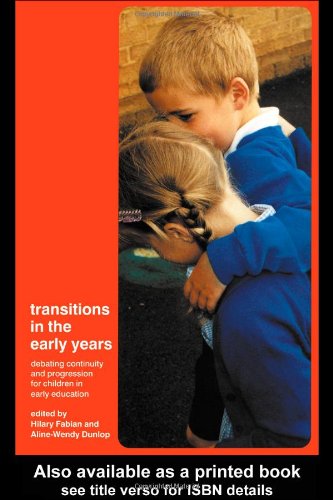
Transitions in the Early Years Debating Continuity and Progression for Children in Early Education 1st Edition by Aline Wendy Dunlop, Hilary Fabian ISBN 0415276403 9780415276405


Original price was: $50.00.$35.00Current price is: $35.00.
Transitions in the Early Years Debating Continuity and Progression for Children in Early Education 1st Edition by Aline Wendy Dunlop, Hilary Fabian – Ebook PDF Instant Download/Delivery: 0415276403, 9780415276405
Full download Transitions in the Early Years Debating Continuity and Progression for Children in Early Education 1st Edition after payment
Product details:
ISBN 10: 0415276403
ISBN 13: 9780415276405
Author: Aline Wendy Dunlop, Hilary Fabian
Transitions in the Early Years Debating Continuity and Progression for Children in Early Education 1st Table of contents:
Chapter 1: The Wider Context: An International Overview of Transition Issues
-
How coherent are children’s ECEC experiences?
-
Strategies to improve children’s transitions
-
Conclusions
-
Summary
-
Notes
-
References
Chapter 2: The Importance of Social Adjustment for Future Success
-
Introduction: the Polish context
-
A theoretical framework
-
Method
-
Results
-
Conclusions
-
References
Chapter 3: From Home to Childcare Centre: Challenges for Mothers, Teachers and Children
-
Existing research on starting childcare
-
The current study
-
The mothers’ stories: a multifaceted experience
-
The teachers’ stories: theories of practice about starting childcare
-
The children’s stories: learning to fit in
-
Implications for enhancing the experience of starting childcare
-
Note
-
References
Chapter 4: Communication and Continuity in the Transition from Kindergarten to School
-
Problems to overcome
-
Transition activities
-
Teachers’ understanding of transition activities
-
Barriers
-
References
Chapter 5: Co-constructing Transition into Kindergarten and School by Children, Parents and Teachers
-
Theoretical background: multi-perspective transition approach of family development in a life-long perspective
-
Empirical background: two small-scale, quantitative and qualitative studies in Bavaria
-
Results
-
Conclusion
-
References
Chapter 6: Parents’ Views of Transition to School and Their Influence in This Process
-
Background
-
The context
-
The study
-
Choice of school
-
Knowledge about the school’s organisation and attitude to information
-
Comfort and well-being of the children
-
What functions best and worst?
-
Influence on learning
-
Quality in the new service and the way it works
-
What is problematic?
-
The parents’ influence on the content of the school
-
Discussion
-
References
Chapter 7: Teachers’ Perspectives of Transition
-
Research approach
-
Teachers’ perspective on facilitating transition
-
Final comments
-
Conclusion
-
References
Chapter 8: Perspectives on Children as Learners in the Transition to School
-
Ideologies of early education
-
Research on the children’s experience in pre-school and in primary
-
What account is taken of children’s voices?
-
Reflections on differing views of children at school entry: teachers, parents, children
-
References
Chapter 9: Planning Transition Programmes
-
Transition programmes
-
Evaluation
-
What some schools are doing
-
Overview
-
References
Chapter 10: Empowering Children for Transitions
-
Into the future
-
Skills and ‘qualifications’ for transition
-
Empowerment
-
Stories
-
Discussion
-
References
Chapter 11: Transitions Without School
-
Intrinsically motivated transitions
-
Self reliance or apron strings?
-
An assumption of autonomy
-
Coping with the unfamiliar
-
Conclusions
-
References
Chapter 12: Conclusions: Debating Transitions, Continuity and Progression in the Early Years
-
References
-
Further reading
People also search for Transitions in the Early Years Debating Continuity and Progression for Children in Early Education 1st:
types of transitions in early years
continuity transition
transitions for debate
continuity and change in early childhood education
effects of transitions in early years
Tags: Aline Wendy Dunlop, Hilary Fabian, Debating Continuity, Progression