

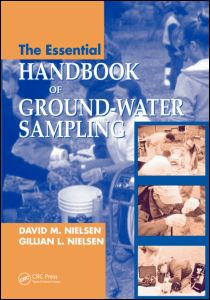
The Essential Handbook of Ground Water Sampling 1st Edition by David Nielsen, Gillian Nielsen ISBN 1040208335 9781040208335
Original price was: $50.00.$35.00Current price is: $35.00.
The Essential Handbook of Ground Water Sampling 1st Edition by David Nielsen, Gillian Nielsen – Ebook PDF Instant Download/Delivery: 1040208335, 9781040208335
Full download The Essential Handbook of Ground Water Sampling 1st edition after payment
Product details:
ISBN 10: 1040208335
ISBN 13: 9781040208335
Author: David Nielsen, Gillian Nielsen
Tremendous improvements in ground-water sampling methodologies and analytical technologies have made it possible to collect and analyze truly representative samples to detect increasingly lower levels of contaminants—now in the sub-parts-per-billion range. Though these new methods produce more accurate and precise data and are less expensive, many companies and government agencies are reluctant to update their sampling protocols and regulations claiming the transition would be too costly.
The Essential Handbook of Ground Water Sampling 1st Table of contents:
1 The Science Behind Ground-Water Sampling
Objectives of Ground-Water Sampling
Regulatory Compliance Monitoring
Non-Regulatory Monitoring
Collecting “Representative” Samples
Ground-Water Sampling and Data Quality
Meeting DQOs: A Superfund Project as an Example
Factors Affecting the Representative Nature of Ground-Water Samples
Formation and Well Hydraulics
Understanding Ground-Water Flow
Hydraulics and Water Chemistry Between Sampling Events
Sampling Point Placement, Design, Installation, and Maintenance
Three-Dimensional Placement of the Sampling Point
Sampling Point Installation Options
Traditional Drilled Monitoring Wells
Direct-Push Sampling Tools and Monitoring Well Installations
Poor Well Design and Construction
Improper Selection of Well Construction Materials
Well Screen Length
Filter-Pack Grain Size and Well-Screen Slot Size
Inadequate or Improper Well Development
Well Maintenance
Geochemical Changes in Ground-Water Samples
Pressure Changes
Temperature Changes
Entrainment of Artifactual Particulate Matter during Purging and Sampling
Agitation and Aeration of Ground-Water Samples during Collection
References
2 The Ground-Water Sampling and Analysis Plan (SAP): A Road Map to Field Sampling Procedures
Objectives of the SAP
Preparation of the SAP
Selection of Field Protocols to Be Incorporated into the SAP
Well Headspace Screening
Water-Level and Product-Thickness Measurement
Field Quality Assurance and Quality Control
Purging and Sampling Device Selection and Operation
Sampling Point Purging Methods
Field Measurement of Water-Quality Indicator Parameters and Turbidity
Sample Pretreatment Options
Field Equipment Cleaning Procedures
Documenting a Sampling Event
References
3 Purging and Sampling Device Selection and Operation
Introduction
Selection Criteria
Accuracy and Precision of the Device
Materials of Construction
Outside Diameter of the Device
Lift Capability
Flow Rate Control and Range
Ease of Operation and In-Field Servicing
Portable versus Dedicated Applications
Reliability and Durability of the Device
Purchase Price and Operating Costs
Purging and Sampling Equipment Options
Grab Samplers
Bailers
Thief Samplers
Syringe Samplers
Other Grab-Sampling Devices
Suction-Lift Devices
Surface Centrifugal Pumps
Peristaltic Pumps
Electric Submersible Centrifugal Pumps
Positive-Displacement Pumps
Gas-Displacement Pumps
Bladder Pumps
Piston Pumps
Progressing Cavity or Helical Rotor Pumps
Electric Submersible Gear-Drive Pumps
Inertial-Lift Pumps
Passive Diffusion Bag Samplers
References
4 Preparing Sampling Points for Sampling: Purging Methods
Objectives of Purging
Purging Strategies for High-Yield Wells
Traditional Strategies
Fixed Well-Volume Purging
Purging to Stabilization of Indicator Parameters
Use of a Packer During Purging
Low-Flow Purging and Sampling
Purging and Sampling Strategies for Low-Yield Wells
Traditional Strategies
Purging to Dryness
Purging Water from the Casing Only
Other Methods for Purging and Sampling Low-Yield Wells
Minimum-Purge Sampling
Example
“Coring” the Water Column in the Well Screen
Field Measurement of Water-Quality Indicator Parameters and Turbidity
References
5 Ground-Water Sample Pretreatment: Filtration and Preservation
Sample Pretreatment Options
Sample Filtration
What Filter Pore Size to Use
Functions of Filtration
Which Parameters to Filter
Sources of Error and Bias in Filtration
Filtration Methods and Equipment
Filter Preconditioning
Sample Preservation
Objectives of Sample Preservation
Physical Preservation Methods
Chemical Preservation Methods
References
6 Conducting a Ground-Water Sampling Event
Introduction
Field Preparation for a Ground-Water Sampling Event Site Orientation and Sampling Event Preparation
Conducting the Sampling Event Sampling Point Inspection
Well Headspace Screening
Water-Level Measurement
Well Purging and Field Parameter Measurement
Sample Collection Procedures
Order of Container Filling
Sample Collection Protocols
Protocols for Collecting Field QC Samples
Ground-Water Sample Pretreatment Procedures
Sample Filtration
Sample Preservation
Preparation of Sample Containers for Shipment
Cleanup of the Work Area
Delivery or Shipment of Samples to the Laboratory
References
7 Acquisition and Interpretation of Water-Level Data
Introduction
Importance of Water-Level Data
Water-Level and Hydraulic-Head Relationships
Hydraulic Media and Aquifer Systems
Design Features for Water-Level Monitoring Systems
Piezometers or Wells?
Approach to System Design
Number and Placement of Wells
Screen Depth and Length
Construction Features
Water-Level Measurement Precision and Intervals
Reporting of Data
Water-Level Data Acquisition
Manual Measurements in Nonflowing Wells
Wetted Chalked Tape Method
Air-Line Submergence Method
Electrical Methods
Pressure Transducer Methods
Float Method
Sonic or Audible Methods
Ultrasonic Methods
Radar Methods
Laser Methods
Manual Measurements in Flowing Wells
Casing Extension
Manometers and Pressure Gages
Pressure Transducers
Applications and Limitations of Manual Methods
Continuous Measurements of Ground-Water Levels
Methods of Continuous Measurement
Mechanical: Float Recorder Systems
Electromechanical: Iterative Conductance Probes (Dippers)
Data Loggers
Analysis, Interpretation, and Presentation of Water-Level Data
Recharge and Discharge Conditions
Approach to Interpreting Water-Level Data
Transient Effects
Contouring of Water-Level Elevation Data
References
8 Decontamination of Field Equipment Used in Ground-Water Sampling Programs
Introduction
Objectives of Equipment Decontamination
Current Status of Equipment Decontamination Protocols
Preparing an Effective Decontamination Protocol for Field Equipment
What Equipment Requires Field Decontamination?
Using Disposable Equipment to Avoid Equipment Decontamination Issues
When and Where Should Equipment Be Decontaminated?
Remote Equipment Cleaning
Field Equipment Cleaning
Selecting an Appropriate Decontamination Protocol
Factors to Evaluate on a Task-Specific Basis
Available Decontamination Procedures
Inherent Problems with Decontamination Techniques
Quality Assurance/Quality Control Components of Decontamination Protocols
Summary
References
9 Ground-Water Sample Analysis
Introduction
Selection of Analytical Parameters
Ground-Water Investigations Governed by a Regulatory Agency
Analytical Requirements Under RCRA
Analytical Requirements Under a Site-Specific Administrative Consent Order (ACO)
Analytes That Are Site-Related
Selection of an Analytical Method
Specific Requirements for an Analytical Method
Description of Analytical Methods
Screening or Diagnostic Tests
Specific Organic Compound Analysis
Volatile Organic Compounds
Semivolatile Organic Compounds
Pesticides, Herbicides, and PCBs
Specific Constituent Inorganic Analysis
Atomic Absorption Spectrophotometry
Atomic Emission Spectroscopy
Other Analyses
Quality Assurance/Quality Control
Selection of an Analytical Laboratory
Preparation of a Quality Assurance Project Plan
Laboratory QA/QC
Chain-of-Custody
Sample Storage and Holding Time Requirements
Sample Preparation
Laboratory QC Samples
Instrument Calibration
Sample Analysis
Laboratory Validation and Reporting
Documentation and Recordkeeping
Independent Laboratory QA Review
Summary
References
10 Organization and Analysis of Ground-Water Quality Data
Introduction
Baseline Water Quality
Selection of Indicator Parameters
Detection Monitoring Indicator Parameters
Complete Detection Parameter List for Sanitary Landfills
Analytical Laboratories
Steps in a Lab Evaluation
SOPs and QAPPs
Custody and Chain-of-Laboratory Security
Facility and Equipment
Data Accuracy and Availability
Data Inquiries
QA Reports to Management and Corrective Action
MDLs, PQLs, IDLs, and EMLRLs
Sample Dilution
Low-Level Organic Chemical Results
Background Water-Quality Evaluation
Monitoring Site Water Quality
Reporting
Units of Measure
Comparisons of Water Quality
Inspection and Comparison
Contour Maps
Time-Series Formats
Histograms
Trilinear Diagrams
Statistical Treatment of Water-Quality Data
Data Independence
Data Normality
Evaluation of Ground-Water Contamination
Types of Statistical Tests
Tests of Central Tendency (Location)
Tests of Trend
Recommended Statistical Methods
Statistical Prediction Intervals
Single Location and Constituent
Multiple Locations
Verification Resampling
Multiple Constituents
The Problem of Nondetects
Nonparametric Prediction Limits
Intra-Well Comparisons
Some Methods to Be Avoided
People also search for The Essential Handbook of Ground Water Sampling 1st:
the essential handbook of ground-water sampling
handbook of groundwater development pdf
handbook of ground water development
handbook for sampling and sample preservation of water and wastewater
practical guide for ground-water sampling
Tags: David Nielsen, Gillian Nielsen, The Essential, Ground Water