

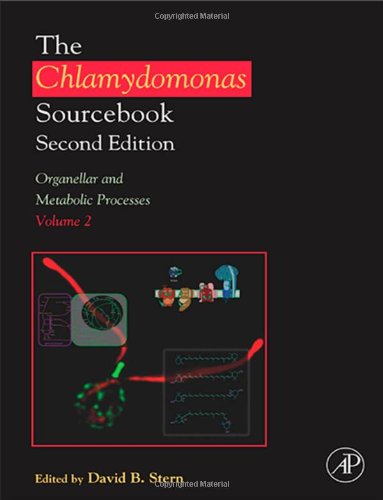
The Chlamydomonas Sourcebook Organellar and Metabolic Processes Volume 2 2nd Edition by David Stern ISBN 0123708753 9780123708755

Original price was: $50.00.$35.00Current price is: $35.00.
The Chlamydomonas Sourcebook Organellar and Metabolic Processes Volume 2 2nd Edition by David Stern – Ebook PDF Instant Download/Delivery: 0123708753, 9780123708755
Full download The Chlamydomonas Sourcebook Organellar and Metabolic Processes Volume 2 2nd Edition after payment
Product details:
ISBN 10: 0123708753
ISBN 13: 9780123708755
Author: David Stern
This second volume of The Chlamydomonas Sourcebook provides the background and techniques for using this important organism in plant research. From biogenesis of chloroplasts and mitochondria and photosynthesis to respiration and nitrogen assimilation, this volume introduces scientists to the functions of the organism. The volume then moves on to starch biosynthesis, sulfur metabolism, response to heavy metals, and hydrogen production.
The Chlamydomonas Sourcebook Organellar and Metabolic Processes Volume 2 2nd Table of contents:
CHAPTER 1: Starch Metabolism
I. Starch structure and localization in the green algae
II. An outline of the starch metabolism pathway: comparative biochemistry and genomics
III. The genetics of starch accumulation and mobilization
IV. Physiology of starch storage: circadian clock control, pyrenoidal starch synthesis and hydrogen
V. Conclusions
References
CHAPTER 2: Glycerolipid Biosynthesis
I. Introduction
II. Fatty acid biosynthesis and desaturation
III. Glycerolipid biosynthesis
IV. Compartmentalization of lipid biosynthesis
V. Perspectives
Acknowledgments
References
CHAPTER 3: Nitrogen Assimilation and its Regulation
I. Introduction
II. Useful nitrogen sources for Chlamydomonas
III. Ammonium assimilation
IV. Assimilation of nitrate and nitrite
V. Regulation of nitrate assimilation
Acknowledgments
References
CHAPTER 4: Amino Acid Metabolism
I. Introduction
II. Biosynthesis of amino acids: pathways, enzymes, localization, inhibitors, mutants
III. Use of exogenous amino acids
IV. Role of amino acids as precursor of metabolites
V. Conclusion
References
CHAPTER 5: Sulfur: From Acquisition to Assimilation
I. Introduction
II. SO₄²⁻ acquisition and assimilation
III. S starvation responses
IV. Perspectives
Acknowledgments
References
CHAPTER 6: Phosphate Metabolism and Responses to Phosphorus Deficiency
I. Introduction
II. Phosphorus acquisition
III. P storage, mobilization, and conservation
IV. Genetic control of phosphorus deprivation responses
V. P deficiency and photosynthesis
VI. Regulatory model for P deprivation responses
VII. Concluding remarks
Acknowledgments
References
CHAPTER 7: Hydrogenases, Hydrogen Production, and Anoxia
I. Background
II. Hydrogenases
III. Hydrogen metabolism
IV. Fermentative metabolism
V. Genomics and systems biology
VI. Sulfur deprivation
VII. Outlook
Acknowledgments
References
CHAPTER 8: The CO₂-Concentrating Mechanism and Carbon Assimilation
I. The carbon environment
II. Metabolism of carbon assimilation
III. Acquisition of inorganic carbon
References
CHAPTER 9: Rubisco
I. Introduction
II. Rubisco-encoding genes and enzyme structure
III. Site-directed mutagenesis
IV. Rubisco activase
V. Rubisco expression in response to physiological cues
VI. Regulation of Rubisco LS expression
VII. Conclusions and perspectives
Acknowledgments
References
CHAPTER 10: Transition Metal Nutrition: A Balance Between Deficiency and Toxicity
I. Introduction
II. Components of the metal homeostasis network
III. Metal tolerance
IV. Metal nutrition and deficiency response
V. Conclusions and perspectives
Acknowledgments
References
CHAPTER 11: Thioredoxins and Related Proteins
I. Introduction
II. Thioredoxins
III. Glutaredoxins
IV. Protein disulfide isomerases
V. Conclusion
Acknowledgments
References
CHAPTER 12: The Mitochondrial Genome
I. Introduction
II. Characteristics of the mitochondrial genome
III. Mutations affecting the mitochondrial genome
IV. Mitochondrial genome transmission
V. Mitochondrial transformation
Acknowledgments
References
CHAPTER 13: Oxidative Phosphorylation: Building Blocks and Related Components
I. Introduction
II. Complexes of the mitochondrial respiratory chain
III. Import of nucleus-encoded OXPHOS proteins
IV. Conclusions and perspectives
Acknowledgments
References
CHAPTER 14: Light-Harvesting Proteins
I. Introduction
II. Structure and composition of the light-harvesting apparatus
III. Light-harvesting proteins
IV. LHC-like proteins
V. Regulation of the light-harvesting complex
Acknowledgments
References
CHAPTER 15: Photosystem I
I. Introduction
II. Composition of PS I
III. Energy transfer and electron transfer within PS I
IV. Electron transfer to and from PS I
V. Assembly and disassembly of PS I
VI. Frontiers of PS I research using the Chlamydomonas system
Acknowledgments
References
CHAPTER 16: Photosystem II, a Structural Perspective
I. Introduction
II. Overview of the photosystem II complex
III. Beyond the photosystem II crystal structure
References
CHAPTER 17: The Cytochrome b₆f Complex
I. Introduction
II. Structure of the b₆f complex
III. The b₆f complex at the crossroads of electron transport and signal transduction
IV. Biogenesis of the b₆f complex
V. Conclusion
Acknowledgments
References
CHAPTER 18: The CF₀F₁ ATP Synthase Complex of Photosynthesis
I. Introduction
II. Composition, structure and specific features of the ATP synthase
III. Mechanistic aspects of the synthesis/hydrolysis of ATP
IV. Concluding remarks
References
CHAPTER 19: Chaperones and Proteases
I. Introduction
II. Regulation of the heat shock response
III. Small HSPs
IV. HSP33: a redox-regulated chaperone
V. HSP60s
VI. HSP70s
VII. HSP90s
VIII. Elevated levels of sHSPs, HSP60, and HSP70 in Chlamydomonas acidophila
IX. HSP100 proteins function as chaperones and/or components of ATP-dependent proteases
X. FtsH proteases
XI. Lon
XII. DegP and C-terminal processing peptidases
XIII. N-terminal maturation of organelle-encoded proteins
XIV. Peptidases in organellar import and membrane translocation
XV. Intramembrane proteases: Site2 peptidase, PARL/rhomboid, Spp, SppA
XVI. Proteolytic processes in the organelles of Chlamydomonas: whodunnit?
XVII. Conclusion
References
CHAPTER 20: Biosynthesis of Chlorophylls and Hemes
I. Introduction
II. Outline of tetrapyrrole biosynthesis
III. ALA formation from glutamate
IV. Steps common to the biosynthesis of all tetrapyrroles
V. Steps from uroporphyrinogen III to protoporphyrin IX
VI. Steps specific to chlorophyll formation
VII. Biosynthesis of chlorophyll b
VIII. Minor chlorophyll a derivatives in reaction centers
IX. Chlorophyll degradation and interconversion of chlorophylls a and b
X. The branch from uroporphyrinogen III to siroheme
XI. The branch from protoporphyrin IX to hemes
XII. Heme catabolism
XIII. Regulation
References
CHAPTER 21: Carotenoids
I. Introduction
II. Occurrence and analysis
III. Biosynthesis
IV. Localization and functional significance
V. Carotenoids as biosynthetic precursors
VI. Outlook
Acknowledgments
References
CHAPTER 22: State Transitions
I. Introduction
II. What are state transitions?
III. Phosphorylation and mobility of LHCII polypeptides
IV. Regulation of phosphorylation
V. Thylakoid protein kinases
VI. Maintenance of ATP levels through state transitions
VII. Genetic approaches
VIII. Role of state transitions
IX. Conclusions and prospects
Acknowledgments
References
CHAPTER 23: Photoprotection and High Light Responses
I. Introduction
II. High light-induced damage and repair
III. Regulation of photosynthetic light harvesting by nonphotochemical quenching
IV. Regulation of gene expression and acclimation to high light
Acknowledgments
References
CHAPTER 24: The Chloroplast Genome
I. Introduction
II. Genome structure and sequence
III. Gene content
IV. DNA replication
V. Genome evolution
VI. Conclusions and perspectives
References
CHAPTER 25: Chloroplast Transcription
I. Introduction
II. Transcription units: single genes and gene clusters
III. The transcription machinery
IV. Initiation and termination of transcription
V. Regulation of chloroplast transcription
VI. Perspectives
Acknowledgments
References
CHAPTER 26: Chloroplast RNA Splicing
I. Introduction
II. Group I Introns
III. Group II intron splicing
IV. Are splicing and its regulation essential?
V. Conclusions
Acknowledgments
References
CHAPTER 27: Chloroplast RNA Processing and Stability
I. Chloroplast RNA processing
II. Chloroplast RNA stability and degradation
III. Conclusions and perspectives
Acknowledgments
References
CHAPTER 28: Protein Synthesis in the Chloroplast
I. Introduction
II. Methodologies used in studies of chloroplast translation
III. Chloroplast ribosomes
IV. General chloroplast translation factors
V. The regulation of translation by light
VI. Genetic approaches that have identified chloroplast translation factors
VII. Cis-acting translation elements in chloroplast 5′ UTRs
VIII. mRNA termini may interact during translation
IX. The localization of protein synthesis
X. Translation and protein targeting
XI. Future perspectives
Acknowledgments
References
CHAPTER 29: The CES Process
I. Introduction
II. Assembly of multisubunit photosynthetic protein complexes
III. CES, a major control step in the biogenesis of photosynthetic proteins
IV. CES cascades and assembly of multimeric protein complexes
V. Is CES central to organelle protein expression?
VI. CES and the nuclear control of chloroplast gene expression
VII. Conclusion
People also search for The Chlamydomonas Sourcebook Organellar and Metabolic Processes Volume 2 2nd:
chlamydomonas sourcebook
chlamydomonas sourcebook pdf
chlamydomonas sourcebook 3rd edition
the chlamydomonas sourcebook volume 2 organellar and metabolic processes
the chlamydomonas
Tags: David Stern, Chlamydomonas Sourcebook, Organellar, Metabolic