

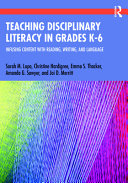
Teaching Disciplinary Literacy in Grades K 6 Infusing Content with Reading Writing and Language 1st Edition by Sarah M Lupo, Christine Hardigree, Emma S Thacker, Amanda G Sawyer, Joi Merritt ISBN 0367485583 9781000433906
Original price was: $50.00.$35.00Current price is: $35.00.
Teaching Disciplinary Literacy in Grades K 6 Infusing Content with Reading Writing and Language 1st Edition by Sarah M Lupo, Christine Hardigree, Emma S Thacker, Amanda G Sawyer, Joi Merritt – Ebook PDF Instant Download/Delivery: 0367485583, 9781000433906
Full download Teaching Disciplinary Literacy in Grades K 6 Infusing Content with Reading Writing and Language 1st Edition after payment
Product details:
ISBN 10: 0367485583
ISBN 13: 9781000433906
Author: Sarah M Lupo, Christine Hardigree, Emma S Thacker, Amanda G Sawyer, Joi Merritt
Teaching Disciplinary Literacy in Grades K 6 Infusing Content with Reading Writing and Language 1st Table of contents:
1. Bringing Science, Social Studies, and Math into the Literacy Block
-
Step Inside the Classroom
-
Integrating Content and Literacy
-
What Does It Mean to Integrate Content and Literacy?
-
Why Do We Need to Integrate Content and Literacy?
-
Why Should We Be Cautious About Integration?
-
How Do We Integrate Content into Literacy Instruction?
-
Let Content Lead: Teach Thematic Units
-
Teach Concepts, Not Topics
-
Take a Flexible Approach to Integration
-
A Word from the Content Experts
-
Social Studies
-
Science
-
Mathematics
-
-
Ms. Landry and Mr. Hopper in Action
-
Ms. Landry
-
Mr. Hopper
-
-
Now You Try It
-
References
-
Bibliography
2. Zooming Out on the Holistic Goals of Literacy Instruction
-
Step Inside the Classroom
-
Holistic Literacy Goals
-
Elements of Literacy Instruction
-
Phonological Awareness
-
Phonics
-
Fluency
-
Comprehension
-
Vocabulary
-
Writing
-
-
Integrating the Six Components
-
Stages of Literacy Development
-
Pre-Alphabetic Stage
-
Partial-Alphabetic Stage
-
Full-Alphabetic Stage
-
Consolidated-Alphabetic Stage
-
Automatic Stage
-
-
Understanding Literacy Stages to Develop a Thematic Unit
-
Meeting Each Student Where They Are
-
Now You Try It
-
References
-
Appendices
-
Appendix A
-
Appendix B
-
3. The Content-Driven Integration Model for Developing Thematic, Interdisciplinary Units
-
Step Inside the Classroom
-
Developing Thematic Interdisciplinary Units
-
Content-Driven Integration Model
-
Step One: Determining Inspiration and Focus Content
-
Considering Content Learning Goals
-
Science and Mathematics
-
Social Studies
-
Motivating Learners
-
Funds of Knowledge
-
Context Is Key!
-
Ms. Landry in Action
-
-
Step Two: Digging Deep to Develop Essential Questions
-
Step Three: Making Connections
-
Connections Between Multiple Disciplines
-
Connecting to Literacy
-
-
Step Four: Developing Learning Objectives
-
Identifying Prerequisite Knowledge and Skills
-
Science
-
Social Studies
-
Mathematics
-
Literacy
-
-
Step Five: Develop Assessments
-
Summative Assessments
-
Formative Assessments
-
Alignment
-
What Is an Authentic Assessment?
-
-
Now You Try It
-
References
-
Appendix A: Mr. Hopper’s Unit
4. Selecting Texts for Integrated Instruction
-
Step Inside the Classroom
-
Considerations for Selecting Texts
-
Texts Should Build Students’ Content Knowledge
-
Texts Should Motivate Readers to Read
-
Students Need Texts They Can Read and Texts That Challenge Them to Improve
-
What Makes a Text Difficult?
-
The Key Is Variety
-
The Quad Text Set Framework
-
Target Text
-
Informational Texts
-
Visual Texts
-
Hook Texts
-
-
Considerations for Younger Learners
-
Text Selection Considerations and Examples Across Content Areas
-
Social Studies
-
Mathematics
-
Science
-
-
Now You Try It
-
References
-
Bibliography
-
Appendix A
5. Reading to Learn: Bringing Reading Instruction and Content Learning Together
-
Step Inside the Classroom
-
Reading Instruction
-
How Do Readers Comprehend Texts?
-
Developing Linguistic Comprehension
-
How Do Readers Learn from Texts?
-
Supporting Readers in Using Their Prior Knowledge to Learn
-
A Tale of Two Teachers
-
But How Do We Teach Comprehension?
-
What About Teaching Literacy Standards?
-
What About Learning Content Through Other Modes Besides Reading?
-
Science
-
Social Studies
-
Mathematics
-
-
Ms. Landry in Action
-
Now You Try It
-
References
-
Bibliography
-
Appendix A
6. Writing to Learn
-
Step Inside the Classroom
-
Writing to Learn
-
The Before, During, After Framework
-
Before Reading
-
During Reading
-
After Reading
-
-
Writing-to-Learn Activities
-
KWL Chart
-
Freewrite
-
Pre-Post Journal
-
Somebody Wanted But So
-
A-B-C Nonfiction Summarizing Technique
-
Driving Question Board (DQB)
-
Perspective Journal
-
Explanation or Process Journal
-
Observation Journal
-
-
Writing to Learn Before Reading
-
Writing to Learn During Reading
-
Writing to Learn After Reading
-
Writing to Learn Across Content Areas
-
Science
-
Social Studies
-
Mathematics
-
-
Ms. Landry in Action
-
Now You Try It
-
References
-
Bibliography
-
Appendix A
7. Analyzing Texts to Support Comprehension
-
Step Inside the Classroom
-
How Do We Support Text Reading?
-
Analyzing Texts
-
Pacific Cod: The Ageing of a Difficult Species
-
School Health Policy
-
-
Tools and Scaffolds for Supporting Comprehension
-
Supports for Language Challenges
-
Supports for Text Structure Challenges
-
Supports for Complex Meaning, Themes, or Concepts
-
-
Considering Reader Factors
-
Content-Specific Comprehension Supports
-
Science
-
Social Studies
-
Mathematics
-
-
Mr. Hopper in Action
-
Now You Try It
-
References
-
Bibliography
-
Appendix A
8. Developing Vocabulary
-
Step Inside the Classroom
-
How Children Learn Words
-
What About Wide Reading?
-
What the Research Says About Teaching Vocabulary
-
Teach Words in Context
-
Explicitly Teach Children to Use Words
-
Teach Connections Between Groups of Related Words
-
Teach Children How Words Work
-
Practical Techniques to Support Reader’s Vocabulary Development
-
Text-Based Techniques
-
Techniques That Support Vocabulary Learning Before and After Reading
-
-
Content-Specific Recommendations
-
Science
-
Social Studies
-
Mathematics
-
-
Mr. Hopper in Action
-
Now You Try It
-
References
-
Bibliography
-
Appendix A
9. Talking to Learn… and Learning to Talk
-
Step Inside the Classroom
-
Talking in Class
-
What Are We Supposed to Teach Students About Talk?
-
Mathematics
-
Social Studies
-
Science
-
-
Why Is Talk Important?
-
Illuminating the Differences Between Writing and Speaking
-
Infusing Talk in the Literacy Block
-
Scenario 1
-
Scenario 2
-
-
Learning to Talk
-
Talking to Learn
-
How Do We Teach Students to Talk About Texts and Tasks?
-
Activities That Promote Talk
-
Scaffolding Talk
-
Fishbowls
-
Self-Assessment Rubric
-
Group Talk Checklist
-
-
Content-Specific Strategies
-
Science
-
Social Studies
-
Mathematics
-
-
Mr. Hopper in Action
-
Now You Try It
-
References
-
Bibliography
-
Appendix A
10. Supporting Students with Process-Based Writing
-
Step Inside the Classroom
-
Authentic Process-Based Writing Instruction
-
How Do We Facilitate Writing for Authentic Purposes?
-
What Is a Process-Based Model of Writing?
-
Planning for Authentic Writing
-
Examples of Authentic, Process-Based Writing
-
Mathematics
-
Social Studies
-
Science
-
-
Mr. Hopper in Action
-
Assessment
-
Designing Instruction to Support Writers with the Linguistic Demands of Writing
-
What Are “Linguistic Demands?”
-
Planning for Writing Instruction
-
Mini-Lessons to Focus on Content-Specific Linguistic Demands
-
Mini-Lessons That Meet Students’ Needs
-
Additional Supports for Writing
-
Now You Try It
People also search for Teaching Disciplinary Literacy in Grades K 6 Infusing Content with Reading Writing and Language 1st:
teaching literacy in elementary grades
how to teach disciplinary literacy
what is teaching english in elementary grades
teaching disciplinary literacy to adolescents
disciplinary-specific literacy lesson
Tags: Sarah M Lupo, Christine Hardigree, Teaching Disciplinary, Grades K 6