

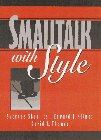
Smalltalk with style 1st Edition by Suzanne Skublics ,Edward J Klimas ,David A Thomas ,John Pugh ISBN 0131655493 978-0131655492
Original price was: $50.00.$35.00Current price is: $35.00.
Smalltalk with style 1st Edition by Suzanne Skublics ,Edward J.Klimas ,David A.Thomas ,John Pugh – Ebook PDF Instant Download/Delivery:0131655493 978-0131655492
Full download Smalltalk with style 1st Edition after payment
Product details:
ISBN 10:0131655493
ISBN 13:978-0131655492
Author:Suzanne Skublics ,Edward J.Klimas ,David A.Thomas ,John Pugh
Bridging the gap between established software engineering principles and the real-world practice of programming, this book presents guidelines for programming in the Smalltalk language that will result in source code that is clear, easy to read, and easy to understand. Covers layout and structure, code formatting, reliability and portability, and tips.
Table of contents:
WHAT’S IN A NAME?
Introduction
General Naming Guidelines
Upper and Lower Case Letters
Class Names
Variable Names: Semantic or Typed?
Semantic Variables
Typed Variables
Mixing Typed and Semantic Variables
State Variable Names
Method Names
Accessor Method Names
Method ParameterNames
Method Temporary Variable Names
Numbers
Abbreviations
2 COMMENTS
Introduction
Code Comments
Component Comments
Applications
Classes
Methods
Comments within Source Code
3 CODE FORMATTING
Introduction
Method Template
Horizontal Spacing
Indentation and Alignment
Cascaded Message Protocols
Number of Statements per Line
Blank Lines
Source Code Line Length
Parentheses
4 CAN YOUR SOFTWARE BE REUSED?
Introduction
Common Protocols
Consistent Messages
Messages to Start, Initialize, and End
Values Returned by Methods
Behavior of Well-Known Messages
Public Versus Private Messages
Limit Scope of Message Sends
Method Size
Misplaced Methods
Accessor Methods – Variable-Free Programming
Public Versus Private Accessor Methods
Class Evolution and Refactoring
Abstract Versus Concrete Classes
Refactoring the Class Hierarchy – Abstract Classes
Inheritance of Behavior Versus State
Subclasses Versus Subtypes
Parts Versus Inheritance: Part-of Versus Is-a
Class Names and Pool Dictionaries
5 TIPS, TRICKS, AND TRAPS
Introduction
Common Syntactic Mistakes
Control Structures
Assumption of Return Values
“Cut and Paste” Reuse
Common Yet Confusing Error Messages
Equality, Identity, and Equivalence
Collections
Creating Example Code
vi Contents
Testing
Testing in Smalltalk
Reporting Test Results
Unit and Component Testing Approach
User Interface Testing
Client-Server Testing
Component Regression Testing
System Testing
Potential Sources of Abuse and Misuse
Global, Class, and Pool Variables
Class Names Considered Harmful
Reduce the Use of Explicit Class Names
Gratuitous New Classes
Use of become:
Unwanted Instances
Lazy Initialization
Modifying the Base System Classes
Case Analysis and Nested Conditions
Avoid the Use of Systems Programming Methods
Abuse of Blocks
Collection Operations Versus Counter-Controlled Loops
People also search for:
smalltalk studio
smalltalk-style messaging
a little smalltalk
smalltalk bluebook
little smalltalk
Tags:
Suzanne Skublics,Edward J Klimas,David A Thomas,John Pugh,Smalltalk,style