

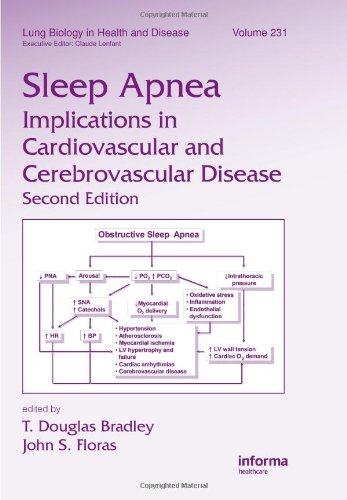
Sleep Apnea Implications in Cardiovascular and Cerebrovascular Disease 2nd Edition by T Douglas Bradley, John S Floras ISBN 0849341507 9780849341502


Original price was: $50.00.$35.00Current price is: $35.00.
Sleep Apnea Implications in Cardiovascular and Cerebrovascular Disease 2nd Edition by T Douglas Bradley, John S Floras – Ebook PDF Instant Download/Delivery: 0849341507, 9780849341502
Full download Sleep Apnea Implications in Cardiovascular and Cerebrovascular Disease 2nd Edition after payment
Product details:
ISBN 10: 0849341507
ISBN 13: 9780849341502
Author: T Douglas Bradley, John S Floras
Sleep Apnea Implications in Cardiovascular and Cerebrovascular Disease 2nd Table of contents:
1 Diurnal Molecular Rhythms: Unrecognized Critical Determinants of Cardiovascular Health and Disease
I. Introduction
II. Rhythms in Cardiovascular Physiology and Disease
III. The Circadian System and Molecular Body Clock
IV. Melatonin and the Cardiovascular System
V. Diurnal Molecular Biology of Cardiovascular Tissues
VI. Diurnal Rhythms and Cardiovascular Diagnostic Testing and Therapy
VII. Diurnal Rhythms as Etiological Factors in the Pathogenesis of Cardiovascular Disease
VIII. Summary
Acknowledgments
References
2 Lower Brainstem Mechanisms of Cardiorespiratory Integration
I. Introduction
II. Medullospinal Network That Controls Sympathetic Vasomotor Tone
A. Spinal Mechanisms
Location and Phenotype of SPGNs That Control the Heart and Blood Vessels
Major Inputs to SPGNs
B. The Rostral Ventrolateral Medulla
Contribution of the RVLM to Vasomotor Sympathetic Tone
Functional Heterogeneity of RVLM Presympathetic Neurons: The Organotopy Hypothesis
What Drives the RVLM Presympathetic Neurons at Rest?
Role of RVLM Presympathetic Neurons in Sympathetic Vasomotor Reflexes
C. The Ventromedial Medulla
D. The Baroreflex
The Sympathetic Baroreflex
The Cardiovagal Baroreflex
III. Control of Sympathetic Efferents By Respiration
A. Respiratory Fluctuations of Sympathetic Tone
B. Role of RVLM Presympathetic Neurons in Sympathorespiratory Coupling
C. CVLM GABAergic Neurons and Central Sympathorespiratory Coupling
D. Alternate Potential Mechanisms of Central Sympathorespiratory Coupling
IV. Central Chemoreceptors: Effects on Breathing and on the Sympathetic Outflow
A. Central Respiratory Chemoreception
B. Ventral Medullary Surface Chemoreceptors
C. Brainstem Monoaminergic Neurons as Central Chemoreceptors
D. Other Theories of Central Chemoreception
E. Central Chemoreceptors and Cardiorespiratory Integration
V. Peripheral Chemoreceptors and Peripheral Chemoreflexes
A. Carotid Receptor Stimulation: Effects on Breathing
B. Carotid Receptor Stimulation: Effects on the Sympathetic Outflow
C. Carotid Receptor Stimulation: Effects on the Cardiovagal Outflow
VI. Regulation of the Circulation by Lung Afferents
A. Effect of Slowly Adapting Receptors on Breathing
B. Effect of SARs on Cardiovagal Neurons
C. Effect of SARs on Sympathetic Tone
VII. Cardiorespiratory Responses to Brainstem Hypoxia
VIII. Summary and Conclusions
References
3 Mechanical Interactions Between the Respiratory and Circulatory Systems
I. Introduction
II. Determinants of Cardiac Output
III. Basics of Circulatory-Ventilatory Interactions
IV. Effects of Pleural Pressure Changes on Output from the Right Heart
V. Fall In Pleural Pressure During Spontaneous Breathing
VI. Rise in Pleural Pressure During Positive Pressure Breathing
VII. Effects of Lung Inflation on the Right Heart
VIII. Series Effect
IX. Left Side
X. Other Mechanisms of Heart-Lung Interaction
XI. Sleep Issues
XII. Conclusion
References
4 Respiratory and Cardiac Activity During Sleep Onset
I. Introduction
II. Respiration and Cardiac Activity During NREM Sleep
III. Sleep Onset
A. Respiratory Activity During Sleep Onset
B. Cardiac Changes During Sleep Onset
IV. Conclusion
References
5 Physiological Effects of Sleep on the Cardiovascular System
I. Introduction
II. Cardiovascular Outputs in Periods of Established Wakefulness and Sleep
A. Hemodynamic Changes Across Sleep-Wake States
B. Autonomic Nervous System Changes Across Sleep-Wake States
III. Transient Effects of Arousal from Sleep on the Cardiovascular System
A. Autonomic Nervous System Responses to Arousal from Sleep
B. Model to Explain the Large Brief Surges in HR and BP at Arousal from Sleep
C. Limitations of the Hemodynamic Model to Explain the Surge in HR and BP at Arousal from Sleep
IV. Summary and Unanswered Questions
References
6 Sleep Apnea and Alterations in Glucose Metabolism
I. Introduction
II. Diabetes Mellitus: Definition and Diagnosis
III. Sleep Apnea and Abnormalities in Glucose Metabolism
IV. Mechanistic Links Between Sleep Apnea and Altered Glucose Metabolism
A. Sympathetic Nervous System Activity as a Causal Intermediate
B. HPA Axis as a Causal Intermediate
C. Oxidative Stress as a Causal Intermediate
D. Systemic Inflammation as a Causal Intermediate
E. Adipokines as Causal Intermediates
V. Summary and Directions for Future Research
References
7 Oxidative Stress, Inflammation, and Vascular Function in Obstructive Sleep Apnea Syndrome
I. Introduction
II. Endothelial Dysfunction in OSAS
III. Oxidative Stress in OSAS
IV. Inflammatory Processes in OSAS
V. Summary
References
8 Obesity, Sleep Apnea, and the Cardiorespiratory Effects of Leptin
I. Introduction
II. Obesity as an Epidemic and Risk Factor for Obstructive Sleep Apnea
III. Obesity Associated Pathology and Neuromodulators of Metabolism
A. Obesity, OSA, and the Metabolic Syndrome
B. Fat-Derived Cytokines
C. Leptin Action and Animal Models of Leptin Resistance
D. Human Obesity as a State of Leptin Resistance
IV. Obesity, Leptin, and Respiratory Control
V. Obesity, Leptin and Cardiovascular Control
VI. Obesity, Leptin, and Heart Failure
VII. Obesity, Leptin, and OSA
VIII. Summary and Conclusions
References
9 Influence of Sleep and Sleep Apnea on Autonomic Control of the Cardiovascular System
I. Introduction
II. Autonomic Circulatory Responses to Normal Sleep
A. Microneurography
B. Spectral Analysis of Heart Rate Variability
III. Clinical Relevance of Autonomic Circulatory Control During Sleep
IV. Neural Circulatory Regulation in OSA
A. Sympathetic Responses to Sleep Apnea
B. Responses in Hypertension
C. Baroreflex-Chemoreflex Interactions
D. The Mueller Maneuver
E. Bradycardia During Apnea
V. Autonomic Function in Wakefulness in Patients with Sleep Apnea
VI. Autonomic Function During Sleep in Patients with Sleep Apnea
A. Sympathetic and Hemodynamic Responses
B. Sleep Apnea and Arrhythmias
C. Sleep Apnea and Acute Cardiovascular Events
D. Sleep Apnea and “Nondippers”
E. Effects of Therapy with CPAP
VII. Clinical Relevance of Autonomic Responses to OSA
Acknowledgments
References
10 Epidemiological Evidence for an Association Between Sleep Apnea, Hypertension, and Cardiovascular Disease
I. Introduction: Role of Epidemiologic Studies in Assessing Causality
II. OSA and Hypertension
A. Snoring
B. Objective Measurements of OSA
C. Relationship to Mechanisms
D. Intervention Studies
III. Sleep-Disordered Breathing and CVD
A. Ischemic Heart Disease
Stroke
Heart Failure
B. Arrhythmia and Conduction Disorders
IV. Summary
A. Issues to Consider in the Design of Future Epidemiologic Studies of OSA and Hypertension/CVD
Complexity of Measurement Limiting Sample Size
B. Accuracy and Reliability of Assessment
Confounding
Validity of Outcome Measurements
Assessing Temporal Patterns
References
11 Treatment of Hypertension in Sleep Apnea
I. Introduction
II. Review of Literature
III. Conclusions
References
12 Sleep Apnea and Cardiac Arrhythmias
I. Introduction
II. Cardiovascular and Autonomic Milieu of Normal Sleep
III. Pro-Arrhythmic Effects of SDB: Acute Effects
A. Hypoxia
B. Arousals
C. Negative Intrathoracic Pressure
D. Increased Sympathetic Activity
IV. Pro-Arrhythmic Effects of SDB: Chronic Effects
A. Endothelial Dysfunction and Atherosclerosis
B. Cardiac Remodeling
C. Neurohormonal Dysfunction
V. Sleep Apnea and Cardiac Arrhythmias
A. Bradycardia and Heart Block
B. Ventricular Arrhythmias
C. Supraventricular Arrhythmias
D. Treatment
VI. Conclusion
References
13 Obstructive Sleep Apnea and Atherosclerosis
I. Introduction
II. Pathophysiology of Atherosclerosis
A. The Antiatherosclerotic Effects of High-Density Lipoprotein
B. Histological Changes
C. Atherosclerosis and Cardiovascular Events
D. Risk Factors for Atherosclerosis
III. The Causal Link between Obstructive Sleep Apnea and Atherosclerosis
IV. Experimental Studies
A. Animal Models
B. In Vitro Studies
V. Snoring—a Mechanical Force
VI. Clinical Studies
VII. Conclusions
Acknowledgments
References
14 Sleep Apnea and Stroke
I. Introduction
II. Clinical Features of Sleep Apnea in Acute Stroke
III. Sleep Apnea as a Cause of Stroke
A. Sleep Apnea and Increased Stroke Risk
Sleep Apnea and Increased Risk of Hypertension
History of Snoring and Increased Risk of Stroke
Documented Obstructive Sleep Apnea and Increased Risk of Stroke
B. Mechanisms
Chronic Effects
Vascular/Endothelial Factors
Coagulatory Factors
Metabolic Factors
Inflammatory/Oxidative Factors
Acute Effects
Blood Pressure
Cerebral Hemodynamics and Tissue Oxygenation
Sympathetic Nervous System
IV. Sleep Apnea as a Consequence of Stroke
A. Breathing Disorder in Wakefulness as a Consequence of Stroke
B. Breathing Disorder in Sleep (Sleep Apnea) as a Consequence of Stroke
V. Clinical Relevance of Sleep Apnea in Stroke Patients
A. Very Acute/Acute Phase after Ischemic Stroke
B. Subacute Chronic Phase after Ischemic Stroke
VI. Treatment of Sleep Apnea in Stroke Patients
References
15 Circadian Rhythm of Cardiac and Cerebrovascular Ischemic Events
I. Myocardial Infarction and Sudden Cardiac Death
II. Ischemic Stroke
III. Pathophysiology
IV. Effects of Obstructive Sleep Apnea
V. Conclusions
References
16 Quantitative Models of Periodic Breathing and Cheyne–Stokes Respiration
I. Introduction
II. Respiratory Control Instability: Theoretical Considerations
A. Basic Notions
B. Analysis of Loop Gain
C. Nonlinear Models
D. Empirical Evidence of Respiratory Control Instability
III. Respiratory Control Instability in Congestive Heart Failure
A. Relative Importance of Circulatory Delay Vs. Controller Gain
B. Role of Hypocapnia
C. Effects of Sleep: The Wakefulness Drive
D. Respiratory Effects of Transient State Changes
IV. Other Mechanisms Affecting Ventilatory Stability
A. Upper Airway Resistance
B. Short-Term Potentiation
V. Conclusion
Acknowledgment
References
17 Pathophysiological Interactions Between Sleep Apnea and Heart Failure
I. Introduction
II. Epidemiology of Sleep-Related Breathing Disorders in Chronic Heart Failure
III. Effects of Sleep on Cardiovascular Function in Healthy Subjects
IV. Pathophysiological Effects of OSA in HF
A. Negative Intrathoracic Pressure
B. Hypoxia
C. Arousal
D. Sympathoexcitation
E. Implications for Patients at Risk for HF
F. Implications for Patients with HF
V. Central Sleep Apnea (Cheyne–Stokes Respiration) in HF
A. Respiratory Control System Instability
B. Arousals
C. Negative Intrathoracic Pressure
D. Hypoxia
E. Apnea and Hyperpnea
F. Sympathoexcitation
VI. Treatment of Sleep Apnea in Patients with HF
VII. Conclusions and Future Directions
Acknowledgments
References
18 Prevalence and Prognostic Significance of Obstructive and Central Sleep Apnea in Heart Failure
I. Introduction
II. Prevalence of CSA and OSA in HF and Left Ventricular Systolic Dysfunction
III. Prevalence of Sleep Disordered Breathing in Patients with Heart Failure and Preserved Systolic Function
IV. Central Sleep Apnea and Mortality in Heart Failure
V. OSA and Mortality in HF
VI. Conclusions
References
19 Treatment of Obstructive and Central Sleep Apnea in Patients with Heart Failure
I. Introduction
II. Heart Failure with Obstructive Sleep Apnea
A. Indications for Therapy
B. Goals of OSA Therapy in HF
C. Choice of Therapies for OSA
Positional Therapy
Weight Loss
Oral Appliances
Upper Airway Surgery
Positive Airway Pressure
III. Heart Failure with Central Sleep Apnea
A. Indications for CSA Therapy
B. Goals of CSA Therapy
C. Choice of Therapies for CSA
Optimization of Usual HF Medical Therapy
Cardiac Pacing: Atrial Overdrive Pacing and Cardiac Resynchronization Therapy (Table 1)
Cardioversion
Mitral Valve Surgery and Heart Transplantation
Positional Therapy
Oxygen
Respiratory Stimulant Therapy
Positive Airway Pressure
Continuous Positive Airway Pressure
Bilevel Positive Airway Pressure
Adaptive Pressure Support Servoventilation
IV. Summary
References
People also search for Sleep Apnea Implications in Cardiovascular and Cerebrovascular Disease 2nd:
sleep apnea impact on heart
sleep apnea cardiovascular risk
sleep apnea cardiovascular
sleep apnea cardiovascular disease
obstructive sleep apnea implications for cardiac and vascular disease
Tags: T Douglas Bradley, John S Floras, Sleep Apnea, Cardiovascular, Cerebrovascular Disease