

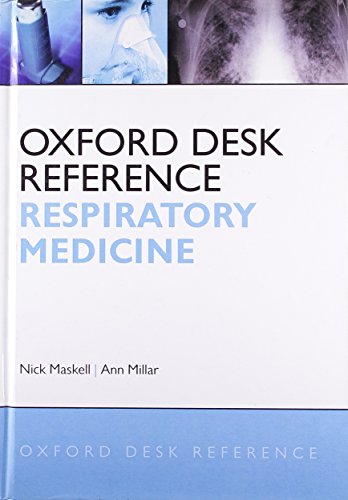
Oxford Desk Reference Respiratory Medicine 1st Edition by Nick Maskell ,Ann Millar ISBN 9780199239122 978-0199239122


Original price was: $50.00.$35.00Current price is: $35.00.
Oxford Desk Reference Respiratory Medicine 1st Edition by Nick Maskell ,Ann Millar – Ebook PDF Instant Download/Delivery:9780199239122 ,978-0199239122
Full download Oxford Desk Reference Respiratory Medicine 1st Edition after payment
Product details:
ISBN 10:9780199239122
ISBN 13:978-0199239122
Author:Nick Maskell ,Ann Millar
In the era of evidence-based medicine, clinicians draw upon a vast resource of research-based evidence to guide their practice. However, finding this information is not always easy, particularly when it is most needed. In the case of respiratory medicine which covers more than 40 individual conditions, the research-based evidence may be limited and/or disproportionate to the incidence of the condition. Guidelines are available but difficult and time consuming to find.
This book is designed to overcome this problem. Many of the key recommendations to be found in current evidence-based guidelines are presented in a uniform and accessible format. The same format has been used for expert opinion on best practice where the evidence base is limited. The design of this book makes locating the information needed both quick and simple, and the succinct yet easy-to-read nature of the text means that key points can be reviewed and assimilated rapidly. The text is enhanced by a number of summary boxes and tables for quick reference to the key points covered in the narrative. A large number of these sections also have radiological images illustrating the relevant abnormalities. Written by experts in their field, this book presents a succinct overview based on both best practice and available research evidence.
Table of contents:
1 The healthy lung
1.1 Pulmonary anatomy
1.2 Radiology of the healthy chest
2 Respiratory physiology
2.1 Basic physiology
2.2 Lung function tests: a guide to interpretation
2.3 Exercise testing
2.4 Interpretation of arterial blood gases and acid/base balance
2.5 Respiratory muscle function
3 Clinical presentations
3.1 Chronic cough
3.2 Breathlessness
3.3 Haemoptysis
3.4 Chest pain
3.5 Pre-operative assessment
3.6 Solitary pulmonary nodule
3.7 Wheeze
3.8 The acute admission with a new unilateral pleural effusion
3.9 Unexplained respiratory failure
4 Asthma
4.1 Pathophysiology
4.2 Allergic rhinitis
4.3 Pharmacology
4.4 Asthma in pregnancy
4.5 Acute asthma
4.6 Chronic asthma management
5 Chronic obstructive pulmonary disease
5.1 COPD genetics and epidemiology
5.2 COPD pathophysiology
5.3 Investigations in COPD
5.4 Pharmacological therapy (including cor pulmonale)
5.5 Non-pharmacological management for COPD
5.6 Management of an exacerbation of COPD
5.7 Surgery for COPD
5.8 Alpha-1-antitrypsin deficiency
6 Oxygen
6.1 Home oxygen therapy
7 Diffuse parenchymal lung disease
7.1 Usual interstitial pneumonia
7.2 Non-specific interstitial pneumonia
7.3 Respiratory bronchiolitis-associated interstitial lung disease
7.4 Desquamative interstitial pneumonia
7.5 Acute interstitial pneumonia
7.6 Lymphoid interstitial pneumonia
7.7 Cryptogenic organising pneumonia
7.8 Extrinsic allergic alveolitis
7.9 Sarcoidosis
7.10 Pulmonary manifestations of connective tissue disorders
7.11 Pulmonary manifestations of systemic diseases
8 Infection
8.1 Community-acquired pneumonia
8.2 Hospital-acquired pneumonia
8.3 Aspiration syndromes
8.4 Lung abscess
8.5 Nocardia and actinomycosis
8.6 Viral infections of the respiratory tract
8.7 Respiratory tuberculosis
8.8 Non-respiratory tuberculosis
8.9 Opportunist (non-tuberculous) mycobacteria
8.10 Fungal and parasitic lung disease
9 The immunocompromised host
9.1 Pneumonia in the non-HIV immunocompromised patient
9.2 Infection in the HIV compromised host
9.3 Non-infectious HIV-related lung disease
10 Bronchiectasis
10.1 Bronchiectasis (aetiology)
10.2 Chronic disease management
11 Cystic fibrosis
11.1 Cystic fibrosis diagnosis
11.2 Managing acute infective exacerbations
11.3 Chronic disease management
11.4 Cystic fibrosis genetics
11.5 Extra-pulmonary manifestations of cystic fibrosis
12 Pulmonary vascular problems/issues
12.1 Pulmonary embolism
12.2 Pulmonary hypertension
12.3 Pulmonary vasculitis and haemorrhage
13 Lung cancer
13.1 Epidemiology of lung cancer
13.2 Symptoms and signs (including SVCO)
13.3 Work-up of patients with a suspected diagnosis of lung cancer
13.4 Treatment of non-small cell lung cancer
13.5 Treatment of small cell lung cancer
13.6 PET-CT
13.7 Lung cancer screening
13.8 Carcinoid
13.9 Benign lung tumours
13.10 Transbronchial fine needle aspiration
13.11 Interventional bronchoscopy techniques
14 Pleural disease
14.1 Normal physiologic fluid volume and cellular contents
14.2 Assessment and investigation of an undiagnosed pleural effusion (including thoracoscopy)
14.3 Pneumothorax
14.4 Exudative pleural effusions (excluding malignancy)
14.5 Transudative pleural effusions
14.6 Malignant effusions
14.7 Malignant mesothelioma
14.8 Pleural effusions in systemic disease
14.9 Pleural infection
14.10 Surgery for pleural diseases
15 Sleep
15.1 Obstructive sleep apnoea
15.2 Driving
15.3 The overlap syndrome
15.4 Non-invasive ventilatory support in the acute setting
15.5 Nocturnal hypoventilation
15.6 Cheyne–Stokes respiration associated with left ventricular failure
15.7 Other causes of sleepiness
16 Occupation and environment
16.1 Drugs and toxins
16.2 Pneumoconiosis
16.3 Disability assessment
16.4 Occupational asthma
16.5 The effects of high altitude on the lung
16.6 Diving
16.7 Occupational chronic obstructive pulmonary disease
16.8 Asbestos-related diseases (excluding mesothelioma)
17 Lung transplantation/ITU
17.1 Lung transplantation: considerations for referral and listing
17.2 Complications after lung transplantation
17.3 The care of lung transplant candidate or recipient
17.4 Acute respiratory distress syndrome
17.5 Severe acute respiratory syndrome
17.6 The ventilated patient
18 Orphan lung diseases/BOLD
18.1 Pulmonary alveolar proteinosis
18.2 Churg–Strauss syndrome
18.3 Ciliary dyskinesia
18.4 Pulmonary Langerhans’ cell histiocytosis
18.5 Lymphangioleiomyomatosis
18.6 Primary tracheal tumours
18.7 Pulmonary arteriovenous malformations
18.8 Pulmonary amyloidosis
People also search for:
why have i been referred to respiratory medicine
oxford desk reference rheumatology
oxford desk reference clinical genetics and genomics
physician reference desk
von oxford network
Tags: Nick Maskell, Ann Millar, Oxford, Desk, Reference