

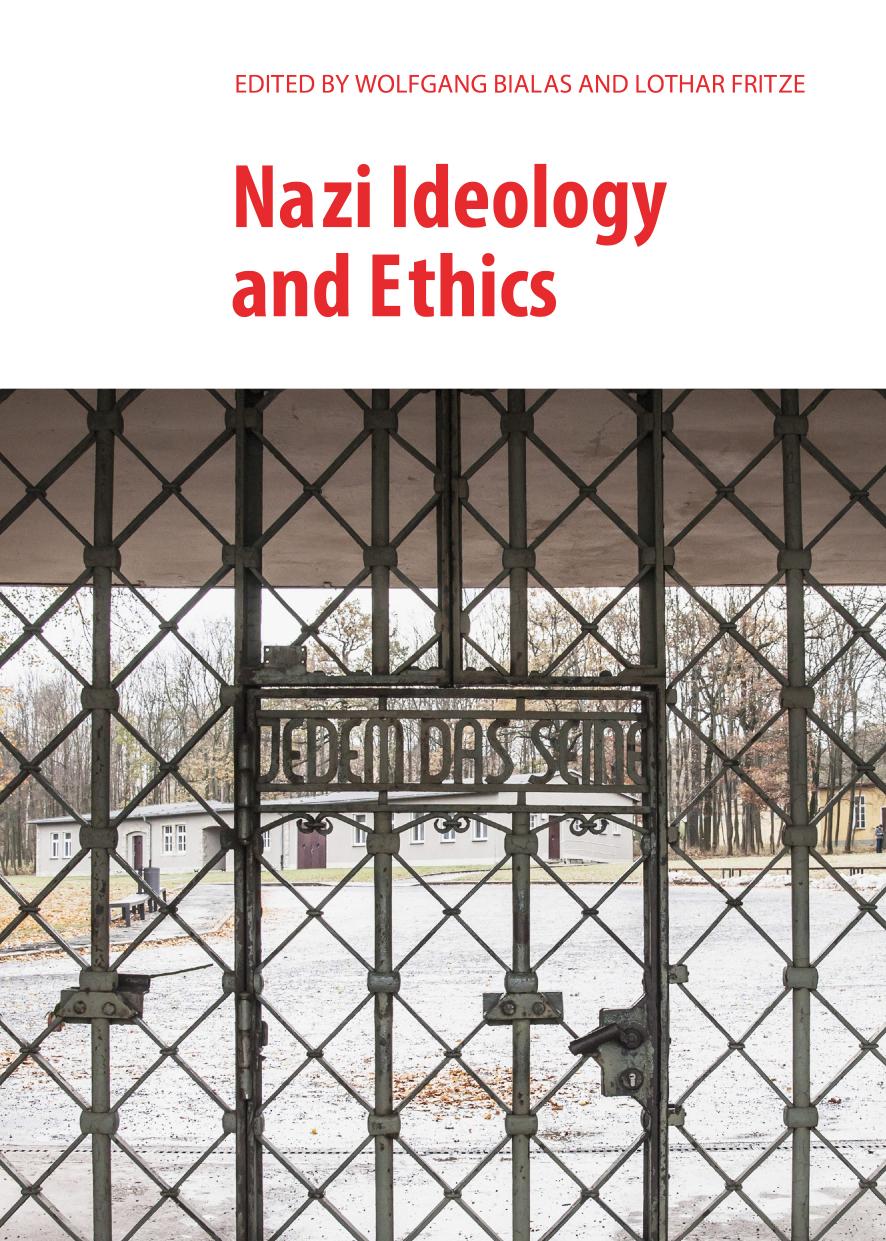
Nazi Ideology and Ethics 1st Edition By Wolfgang Bialas, Lothar Fritze ISBN 1443854220 9781443854221


Original price was: $50.00.$35.00Current price is: $35.00.
Nazi Ideology and Ethics 1st Edition by Wolfgang Bialas, Lothar Fritze – Ebook PDF Instant Download/Delivery: 1443854220, 9781443854221
Full download Nazi Ideology and Ethics 1st Edition after payment
Product details:
ISBN 10: 1443854220
ISBN 13: 9781443854221
Author: Wolfgang Bialas, Lothar Fritze
This volume on »Nazi ideology and ethics« documents the scholarly debate on the subject, ranging from texts that initiated the debate on Nazi ethics to the current scholarly discourse. It puts together texts by leading Holocaust scholars from Germany, the US. Great Britain, and Belgium who cover a variety of topics relevant for questions of Nazi ideology and ethics. Among other topics scholars from various disciplines of the humanities address memory politics, ethical aspects of Nazi ideology, and political mass murders in comparative perspective. It furthermore discusses implications of Nazi ideology and ethics for current ethical issues and challenges.
Nazi Ideology and Ethics 1st Table of contents:
Chapter 1: The Roots of Nazi Ideology: Philosophical and Racial Foundations
1.1 Early German Nationalism and the Birth of Racial Theories
1.2 The Role of Eugenics in Nazi Thought
1.3 Social Darwinism and the Concept of the “Übermensch”
1.4 National Socialism’s Rejection of Enlightenment Ethics
1.5 Key Thinkers: Friedrich Nietzsche, Houston Stewart Chamberlain, and the Völkisch Movement
Chapter 2: The Ethical Framework of Nazi Ideology
2.1 The Concept of the “People’s Community” (Volksgemeinschaft)
2.2 The Ethical Implications of Racial Purity
2.3 The “Duty to the State”: National Socialism and Sacrifice
2.4 The Nazi Perspective on Individual Rights and the Collective Good
2.5 The Ethics of Violence: War, Repression, and the State’s Role
Chapter 3: Anti-Semitism and Nazi Racial Ethics
3.1 The Centrality of Anti-Semitism in Nazi Thought
3.2 The Racial Hierarchy: Aryan Supremacy and the Subhuman (Untermensch)
3.3 The Dehumanization of Jews: From Propaganda to the Holocaust
3.4 The “Jewish Question” and Ethical Justifications for Genocide
3.5 Key Documents: Hitler’s Mein Kampf and the Nuremberg Laws
Chapter 4: Nazi Ethics of War and Conquest
4.1 The Ethics of Expansionism: Lebensraum and the Justification for War
4.2 Total War: The Integration of War and Society
4.3 The “End of Ethics” in War: The Destruction of Traditional Morality
4.4 The Role of the SS and Nazi Soldiers in the Execution of War Crimes
4.5 Nazi Propaganda and the Ethical Consequences of Mass Mobilization
Chapter 5: The Ethics of Gender: Nazi Views on Women and Family
5.1 Nazi Womanhood: The Role of Women in Nazi Ideology
5.2 The Maternity Ideal: The Creation of the “Aryan Superwoman”
5.3 The Devaluation of Women’s Rights: Nazi Family Law
5.4 The Forced Sterilizations and the Ethics of Reproductive Control
5.5 Women in the Labor Force: The Nazi Economy and Gender Roles
Chapter 6: The Nazi Vision of the State and Moral Authority
6.1 The Führerprinzip (Leader Principle) and the Cult of Personality
6.2 The Role of the State in Shaping Ethical Norms
6.3 The Abolition of Traditional Institutions: Churches, Law, and Family
6.4 The Nazis and Ethical Subjectivism: The Leader’s Will as Moral Law
6.5 The Ethical Justifications for the Nazi Dictatorship and Totalitarian Control
Chapter 7: The Role of Nazi Intellectuals and Propagandists in Shaping Ethics
7.1 The Nazis and the Manipulation of Philosophy and Science
7.2 Alfred Rosenberg and the “Myth of the 20th Century”
7.3 Joseph Goebbels and the Use of Propaganda in Shaping Public Ethics
7.4 The Collaboration of Academic Institutions with Nazi Ideology
7.5 The Creation of Nazi “Philosophy” and Its Ethical Implications
Chapter 8: The Ethics of Nazi Medicine and Eugenics
8.1 Nazi Medicine: The Persecution of the “Disabled” and “Unworthy” Life
8.2 The Legacy of German Eugenics and Its Role in Nazi Policies
8.3 The T4 Program: The Killing of the Disabled
8.4 Human Experimentation and the Ethical Collapse of Medicine under the Nazis
8.5 Medical Professionals and Their Role in Nazi War Crimes
Chapter 9: Postwar Reflections on Nazi Ideology and Ethics
9.1 The Denazification Process and Its Challenges
9.2 Ethical Questions Raised by the Holocaust and the War
9.3 The Legacy of Nazi Ethics in Postwar German Philosophy
9.4 The Nuremberg Trials: The Ethical and Legal Assessment of Nazi Crimes
9.5 Ongoing Debates: Collective Guilt, Responsibility, and Memory
People also search for Nazi Ideology and Ethics 1st:
nazi ideology ethics
ideology nazi
ideology ethics
ideology ethics pdf