

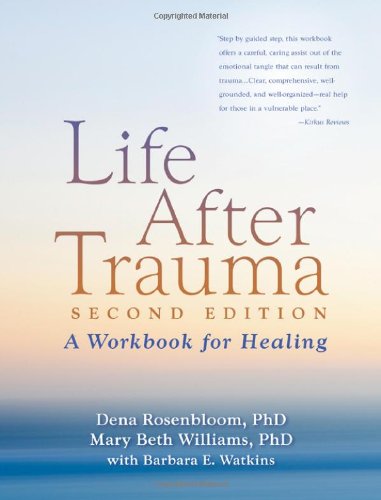
Life After Trauma A Workbook for Healing 2nd Edition by Dena Rosenbloom, Mary Beth Williams ISBN 1606236350 9781606236352

Original price was: $50.00.$35.00Current price is: $35.00.
Life After Trauma A Workbook for Healing 2nd Edition by Dena Rosenbloom, Mary Beth Williams – Ebook PDF Instant Download/Delivery: 1606236350, 9781606236352
Full download Life After Trauma A Workbook for Healing 2nd Edition after payment
Product details:
ISBN 10: 1606236350
ISBN 13: 9781606236352
Author: Dena Rosenbloom, Mary Beth Williams
Life After Trauma A Workbook for Healing 2nd Table of contents:
Foreword to the Second Edition
Acknowledgments
Prologue: Before You Begin
Is This Book for You?
How This Workbook Can Help You
How This Workbook Is Organized
Tips and Cautions for Using This Workbook
Finding Companions: The Comfort of Others
The Importance of Self-Care Strategies
Affirmations and Soothing Self-Talk
Caution: When to Set the Workbook Aside
Coping with Triggers of Past Traumas
One. After Trauma: Why You Feel Thrown for a Loop
What Is Trauma?
Common Reactions to Trauma
Physical Reactions
Mental Reactions
Emotional Reactions
Behavioral Reactions
Supportive Relationships Can Change Following Trauma
Checking In with Yourself
Why Check In with Yourself?
How to Check In with Yourself
Learning to Relax
Two. Ways of Coping After the Trauma
Trauma Can Disrupt How You Cope
Identifying Your Ways of Coping
Thinking about Your Coping Strategies
Guidelines for Coping Effectively with Stress
Coping with Negative Feelings about Yourself
Knowing How to Comfort Yourself
Knowing When to Self-Comfort: Paying Attention to Your Feelings and Reactions
Learning More about Your Relationship with Yourself
Learning to Recognize and Use Dissociation
Managing Emotions through Mindfulness
Staying Safe Out in the World
Feeling Emotional Connection with Other People
Handling Feedback from Others without Being Devastated
Anticipating Consequences
Maintaining Appropriate Interpersonal Boundaries
Finding Mutual Relationships
Time Out to Relax
Three. Thinking Things Through
Making Sense of Your Posttrauma Reactions
Sorting Facts from Reactions
Sorting Facts from Meanings
Making Sense of Beliefs
The Trouble with All-or-Nothing Thinking
How Do You Think about Things?
Accommodation: Understanding How Beliefs Change
Trauma and the Five Basic Needs
Why Identify Your Basic Beliefs?
Tracking Reactions to Their Source in Changed Beliefs
How to Identify Your Basic Beliefs and Evaluate Them
Pinpointing Problem Areas to Think Through Further
Thinking through a Belief
Collecting and Weighing the Evidence in What You Believe
Brainstorm Ideas for Collecting Evidence
Rank Ideas by Lowest Risk First
Carry Out Lowest-Risk Ways to Collect Evidence
Weigh the Evidence on What You Believe
Troubleshooting When Beliefs Are Particularly Hard to Change
Facilitating Change in Beliefs
Four. Feeling Safe; Being Safe
How Safety Can Be an Issue After Trauma
Is Safety a Problem for You?
What Can Safety Mean?
Dimensions of Safety
Being Safe with Yourself
Being Safe with Other People
Being Safe Out in the World
Other Aspects of Safety
What Does Safety Mean to You?
Sorting Out Facts about Safety from Your Reactions
How Safe Do You Feel?
How Safe Do You Think You Are?
Weighing the Evidence: How Safe Are You Really?
Strategies for Protecting Yourself
Protecting Yourself on the Inside
Protecting Yourself on the Outside
Do You Feel Safe Enough?
Tracking Reactions to Beliefs about Safety
Identifying Your Beliefs about Safety
Evaluating How a Belief Helps and Hinders You
Pinpointing Problem Areas to Think Through Further
Taking Stock
Thinking through a Belief about Safety
Choosing Beliefs to Work On
Sort Out the Facts, Sort Out the Meaning, Identify the Belief
Evaluate the Pros and Cons of the Belief
Imagine Alternative Meanings for the Same Facts
Evaluate the Pros and Cons of the Alternative Meaning
Consider How to Check the Accuracy of These Beliefs
Put the Process in Perspective
Weighing the Evidence on Beliefs about Safety
What Evidence Do You Have for the Existing Belief?
What Evidence Do You Have for an Alternative Meaning?
Collect New Evidence on Safety
Brainstorm Ideas
Rank Ideas by Lowest Risk First
Carry Out Lowest-Risk Ways to Collect Evidence
Summarizing Your Work on Safety
Five. What Does It Mean to Trust?
How Trust Can Be an Issue after Trauma
Trusting Others
Trusting Ourselves
What Can Trust Mean?
What Does Trust Mean to You?
Trusting Yourself
Trusting Others
Sorting Out Facts about Trust from Reactions: Shades of Gray
Do You Feel Trusting Enough?
Tracking Reactions to Beliefs about Trust
Identifying Your Beliefs about Trust
Evaluating How a Belief Helps and Hinders You
Pinpointing Problem Areas to Think Through Further
Taking Stock
Thinking through Beliefs about Trust
Choosing Beliefs to Work On
Sort Out the Facts of What Happened
Sort Out the Meaning the Facts Have for You
Identify the Underlying Belief
Evaluate the Pros and Cons of the Belief
Imagine Alternative Meanings for the Same Facts
Evaluate the Pros and Cons of the Alternative Meaning
Consider How to Check the Accuracy of the Belief
Put the Process in Perspective
Weighing the Evidence on Beliefs about Trust
Weigh the Evidence on the Existing Belief
Brainstorm Ideas for Collecting Evidence
Rank Ideas by Lowest Risk First
Carry Out Lowest-Risk Ways to Collect Evidence
Record and Weigh the Evidence for and against the Belief
Summarizing Your Work on Trust
Six. Regaining Control in Your Life
How Control and Power Can Be Issues after Trauma
Loss of Self-Control
Loss of Power to Affect the World and Other People
What Can It Mean to Be Powerful and in Control?
The Sources and Limitations of Personal Power and Control
Empowering Yourself
Having an Effect on Others
Boundaries
Hurting Yourself
What Do Power and Control Mean to You?
Personal Power and Self-Control
Understanding Your Physical Boundaries
Understanding Your Emotional Boundaries
Power, Control, and Other People
Symbols of Your Personal Power: Coping with Feelings of Helplessness
Sorting Out Facts about Power and Control from Reactions: Shades of Gray
Do You Have Enough Control in Your Life?
Tracking Reactions to Beliefs about Power and Control
Identifying Your Beliefs about Power and Control
Evaluating How a Belief Helps and Hinders You
Pinpointing Problem Areas to Think Through Further
Taking Stock
Thinking through a Beilef about Power and Control
Choosing Beliefs to Work On
Sort Out the Facts of What Happened
Sort Out the Meaning the Facts Have for You
Identify the Underlying Belief
Evaluate the Pros and Cons of the Belief
Imagine an Alternative Meaning for the Same Facts
Evaluate the Pros and Cons of the Alternative Meaning
Consider How to Check the Accuracy of the Belief
Put the Process in Perspective
Weighing the Evidence on Beliefs about Power and Control
Brainstorm Ideas for Collecting Evidence
Rank Ideas by Lowest Risk First
Carry Out Lowest-Risk Ways to Collect Evidence
Record and Weigh the Evidence for and against the Belief
Summarizing Your Work on Power and Control
Seven. Valuing Yourself and Others
How Trauma Can Affect Self-Esteem
Shame and Self-Esteem
Responsibility, Anger, and Blame
Withdrawing from Others
Valuing Other People
What Can Value and Esteem Mean?
What Is of Value to You?
The Difference between Rights and Rewards
Money, Power, and Expectations
What Does Self-Esteem Mean to You?
Esteem for Yourself—Warts and All
Your Bill of Rights
Sorting Out Facts about Esteem from Reactions: Shades of Gray
Do You Have Enough Self-Esteem?
Time Out for Self-Care: Affirmations for Self-Esteem
Tracking Reactions to Beliefs about Value and Esteem
Identifying Your Beliefs about Your Value
Evaluating How a Belief Helps and Hinders You
Pinpointing Problem Areas to Think Through Further
Taking Stock
Thinking through a Belief about Value and Self-Esteem
Choosing Beliefs to Work On
Sort Out the Facts of What Happened
Sort Out the Meaning the Facts Have for You
Identify the Underlying Belief
Evaluate the Pros and Cons of the Belief
Imagine Alternative Meanings for the Same Facts
Evaluate the Pros and Cons of the Alternative Meaning
Consider How to Check the Accuracy of the Belief
Put the Process in Perspective
Weighing the Evidence on Beliefs about Value and Esteem
Brainstorm Ideas for Collecting Evidence
Rank Ideas by Lowest Risk First
Carry Out Lowest-Risk Ways to Collect Evidence
Record and Weigh the Evidence for and against the Belief
Record and Weigh the Evidence for and against the Belief
Summarizing Your Work on Value and Self-Esteem
Eight. Feeling Close to Others
How Intinmacy Can Be an Issue after Trauma
Feeling a Stranger to Yourself
Feeling Disconnected from Others
What Can Intimacy Mean?
The Risk of Letting Yourself Be Known
Being Accepted; Accepting Another
Accepting Differences
What Does Intimacy Mean to You?
Sorting Out Facts about Intimacy from Reactions: Shades of Gray
How Well Are You Known and Accepted?
Are You Getting Enough of What You Need from Intimacy?
Balancing Intimacy with Other Needs
Intimacy and Safety in a Relationship
Intimacy and Trust
Intimacy, Power, and Control
Intimacy and Self-Esteem
How Well Do You Balance Intimacy with Other Needs?
Tracking Reactions to Beliefs about Intimacy
Sorting Out Facts from Meanings: Examining the Interaction Process
Identifying Beliefs about Intimacy
Evaluating How a Belief Helps and Hinders You
Imagining and Evaluating Alternative Beliefs
Taking Stock
Weighing the Evidence on Beliefs about Intimacy
Summarizing Your Work on Intimacy
Epilogue. Healing for the Long Term
Coping with Stress
Be Flexible, Think Flexibly
Learn All You Can about What Is Going to Happen
Plan Ahead
Avoid Impulsive Changes
Get Physical Exercise
Try Not to Change Too Many Things at Once
Pay Attention to Your Feelings and Reactions
Talk to Others Who Have Survived Similar Experiences
Seek Support from People Who Can Listen, Offer Feedback, or Help in Other Ways
Allow Yourself to Grieve Losses
Practice Meditation or Relaxation Exercises
Take Good Physical Care of Yourself
Take Your Time
Growing Stronger
Recognizing Your Strengths
Bringing Your Life into Focus
Achieving Emotional Freedom
Toward a Greater Meaning
Conclusion
Appendix A. Taking Care of Yourself in Health Care Settings
Choosing a Doctor or Other Health Practitioner
Planning for Appointments
During Appointments and Procedures
After Appointments
Appendix B. Recommended Resources
Books and Articles
Self-Care
General Trauma
Loss and Grief
Helping Children Cope with Loss and Grief
Abuse
Safety
Trust
Empowerment
Self-Esteem
Intimacy
Spirituality
Parenting
Websites
General Trauma
Specific Types of Traumatic Experience
Children and Trauma
Loss and Grief
Appendix C. About Psychotherapy
Suggestions for Finding a Therapist for Trauma
Basic Psychotherapist Qualifications
Finding a Psychotherapist Trained for Trauma Recovery
Feeling a Good Fit with the Therapist
Appendix D. How Mental Health Professionals Can Use This Workbook
This Workbook’s Therapeutic Uses and Limitations
Theory and Research on Which This Workbook Is Based
How to Proceed in the Workbook
Assessment Suggestions
Timing and Pacing in Using the Workbook
Be Aware of Your Own Beliefs
Know When Referral Is Appropriate
References and Resources for Professionals
People also search for Life After Trauma A Workbook for Healing 2nd:
life after trauma 2nd ed a workbook for healing
life after trauma a workbook for healing 2nd ed
healing from trauma books
does trauma ever heal
how long does trauma take to heal
Tags:
Dena Rosenbloom,Mary Beth Williams,Trauma,Healing