

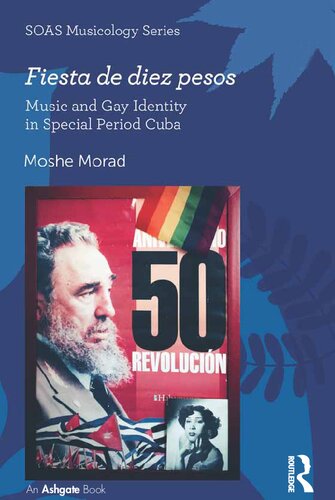
Fiesta de Diez Pesos Music and Gay Identity in Special Period Cuba 1st Edition by Moshe Morad ISBN 1315582309 9781315582306


Original price was: $50.00.$35.00Current price is: $35.00.
Fiesta de Diez Pesos Music and Gay Identity in Special Period Cuba 1st Edition by Moshe Morad – Ebook PDF Instant Download/Delivery: 1315582309, 9781315582306
Full download Fiesta de Diez Pesos Music and Gay Identity in Special Period Cuba 1st Edition after payment
Product details:
ISBN 10: 1315582309
ISBN 13: 9781315582306
Author: Moshe Morad
Fiesta de Diez Pesos Music and Gay Identity in Special Period Cuba 1st Table of contents:
Part I: Understanding … (Setting the Scene)
-
Understanding Cuban Homosexualities: From “maricón” to “Gay”
-
The Special Period and the Emergence of “Gay Identity” in Cuba
-
Fresa y Chocolate
-
“The Original Sin” and Gay Themes in Novísima Trova
-
-
“Swing to Sunshine in Gay Havana”: The Capital’s Musicscape, Ethnoscape, and Homoscape
-
Havana’s Musicscape
-
Havana’s Ethnoscape and Homoscape
-
Race/Color
-
Internal Migration
-
Tourists/Extranjeros
-
Jineterismo and “Music Jineterismo”
-
-
Levels of Privacy
-
The City as a Private Space
-
-
Part II: Dance Music and the Fiestas
-
The Fiestas de Diez Pesos Scene
-
My First Fiesta de Diez Pesos
-
Hanging Out at the Malecón
-
The Way to the Fiesta
-
Finally There
-
Two Kinds of Fiestas
-
The Semi-Public Fiestas
-
The Private Home Fiestas
-
-
Changes in Havana’s Gay Fiestas Scene
-
-
“Watch How the Locas Do the Despelote!”: Dance Music Genres and Their Queer Appropriation
-
“Gay Salsa”: Queering the Casino Dancing Style
-
Queer Timba: “Watch How the Locas Do the Despelote”
-
“Re-Gay-Tón”: Queering Reggaetón
-
Backside-to-Crotch Dancing
-
Reggaetón Lyrics: Assigning New Meanings
-
-
House Music: Gay and Internacional
-
-
“Dancing Identity”: Social and Musical Analysis of the Fiestas Scene
-
Gay Dance Music, Capitalism, and the “Fantasy of Liberation”
-
Fiesta Behavior as Ritual Behavior
-
Fiesta-Psychology
-
The “Gay Cuban Dancing Body” and the Eroticization of the Dance Floor
-
Queer Reading of Musical Aspects of the Popular Genres
-
Tempo and Rhythm: Speed, Intensity, Physicality
-
Repetitiveness and Cyclicity
-
Reggaetón a lo Cubano: Hybrid, “Bilingual,” and Bi-Rhythmical
-
-
Musical Narrative as a Sexual Act: Multiple Climaxes
-
Conclusion of Part II: Dance Music as a Marker of Gay Identity in Special Period Cuba
Part III: “El Chow”: Performance, Performativity, and Audience
-
Performance, Performativity, and Camp: A Brief Introduction to Part III
-
Camp: “It’s Good Because It’s Awful”
-
-
Drag Shows: Glamour, Empowerment, and Resistance
-
Bar de las Estrellas
-
The Drag Scene in Havana
-
Home and CDR Drag Fiestas
-
Drag Politics and Philosophy: Resisting the Heterosexual Binary or Reaffirming It?
-
The Power of the Diva
-
Collective Identity and Acceptance
-
The Role of Music in Havana’s Drag Shows: Identification, Resistance, and Escapism
-
-
El Ballet Nacional: “The Most Obvious Discreet Gay Space in Havana”
-
Ballet in Cuba
-
Gaydar and “Performance” in the Audience
-
Escapism
-
-
Changó versus Santa Barbara: Santería Ritual Performance as a Gay Space
-
Discovering “Gay Santería”
-
A “Gay” Toque de Santo
-
Il Rito del Cuchillo (The Ceremony of the Knife)
-
Music for the Orishas
-
Terminology: Homosexuals, Gays, EPH
-
Transgenders in Santería
-
Femininity and “The Fag Religion”
-
-
EPH in Santería Performance
-
“Mi Nueva Familia”: Alternative Kinship in Santería
-
Secrecy, Deviance, and Marginalization
-
Sensuality and Homoeroticism in Ritual Dances
-
Spirit Possession as a (Homo)Sexual Metaphor
-
Controversial Queer Reading of Batá Drumming Patterns
-
Yemayá and Changó: “The Protectors of Gays”
-
-
¡Yo Soy el Bolero!: Queer Appropriation and Identification in the Kitchen
-
Bolero’s Ambiguous Identity
-
The “Gay Appeal” of Bolero
-
“Like Good Wine, the Older the Better”
-
“Kitchen Bolero”
-
“Bolero Mode”: Description of a Bolero Fiesta
-
An Imagined Audience
-
Bolero Lyrics: “Like a Knife Stuck in Your Heart”
-
Gender Ambiguity in Bolero Lyrics
-
Central Themes in Bolero Lyrics
-
Danger, Suffering, Betrayal, and Lying
-
Being Prohibited
-
-
“Bolero State-of-Mind”: Bolero Psychology
-
Melancholia and Nostalgia
-
Hysteria, Borders, and Liminality
-
-
Musical Characteristics of Bolero Reflecting Instability, Melancholia, and Camp
-
Melancholy in Rhythm
-
Exaggerated Tension and Release: Musical Camp
-
-
The Bolero Divas
-
Olga Guillot: “La Vida Es Una Mentira”
-
La Lupe: A Woman on the Verge of a Nervous Breakdown
-
Bola de Nieve: “I Am a Sociable Negro, Intellectual, and Chic”
-
-
People also search for Fiesta de Diez Pesos Music and Gay Identity in Special Period Cuba 1st:
fiesta de puros hombres
fiesta de los 41 mexico
fiesta de los 41
fiesta fiesta guma guma gay
de fiesta ay dios mio dj diana peceros
Tags: Moshe Morad, Diez Pesos, Gay Identity