

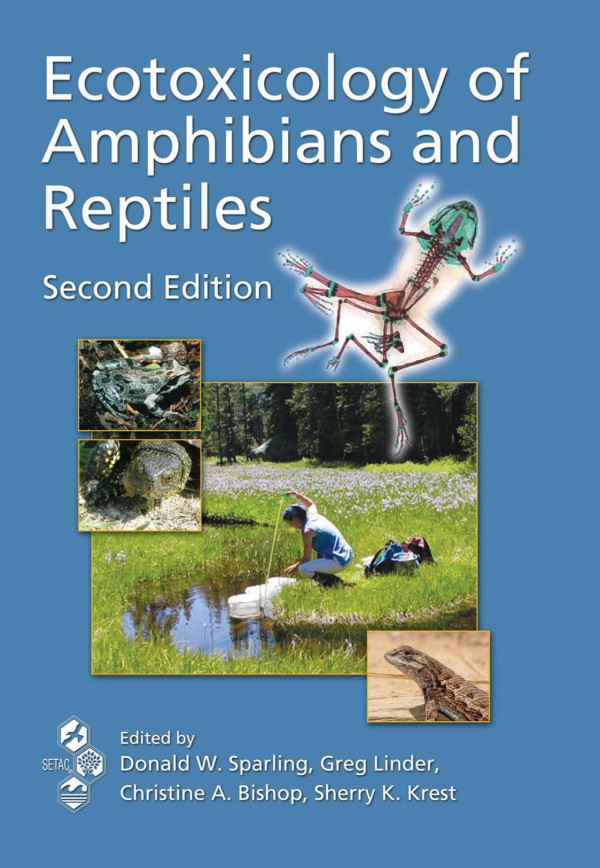
Ecotoxicology of Amphibians and Reptiles 2nd Edition by Donald W Sparling ISBN 8504691500 9788504691504

Original price was: $50.00.$35.00Current price is: $35.00.
Ecotoxicology of Amphibians and Reptiles 2nd Edition by Donald W Sparling – Ebook PDF Instant Download/Delivery: 8504691500, 9788504691504
Full download Ecotoxicology of Amphibians and Reptiles 2nd Edition after payment
Product details:
ISBN 10: 8504691500
ISBN 13: 9788504691504
Author: Donald W Sparling
Ecotoxicology of Amphibians and Reptiles 2nd Table of contents:
1. Recent Advancements in Amphibian and Reptile Ecotoxicology
-
1.1 Current Status of Ecotoxicological Research on Amphibians and Reptiles
-
1.1.1 Source of Publication Information
-
1.1.2 Comparisons Among Vertebrates
-
1.1.3 Productivity Within Amphibians and Reptiles
-
1.1.3.1 Amphibians
-
1.1.3.2 Reptiles
-
-
1.1.4 Conclusions
-
-
1.2 What’s in This Book?
-
References
2. Declines and the Global Status of Amphibians
-
2.1 Amphibian Declines: Defining the Problem
-
2.2 Potential Causes of the Amphibian Decline Crisis
-
2.2.1 Habitat Destruction
-
2.2.2 Exotic Predators
-
2.2.3 Environmental Contamination
-
2.2.4 Human Utilization
-
2.2.5 Disease
-
2.2.5.1 Ranaviruses
-
2.2.5.2 Saprolegnia and Other Fungal Pathogens
-
2.2.5.3 Amphibian Chytrid Fungus
-
2.2.5.3.1 Characteristics
-
2.2.5.3.2 Emergence and Persistence
-
2.2.5.3.3 Determinants of Vulnerability
-
-
-
2.2.6 Limb Malformations and Parasitic Disease
-
2.2.7 Ultraviolet Radiation
-
2.2.8 Climate Change
-
-
2.3 Management of Amphibian Populations
-
2.4 Summary and Conclusions
-
References
3. The Global Status of Reptiles and Causes of Their Decline
-
3.1 Determining Species and Population Status
-
3.2 Causes of Reptile Declines
-
3.2.1 Habitat Loss
-
3.2.2 Unsustainable Removal
-
3.2.3 Environmental Contamination
-
3.2.4 Climate Change
-
3.2.5 Invasive Species
-
3.2.6 Disease and Parasitism
-
3.2.7 Cascading Declines
-
-
3.3 Global Population Status
-
3.3.1 Testudines
-
3.3.2 Crocodilians
-
3.3.3 Lacertilians
-
3.3.4 Serpents
-
-
3.4 Conclusion
-
Acknowledgments
-
References
4. Ecotoxicology of Amphibians and Reptiles in a Nutshell
-
4.1 Historical Developments
-
4.1.1 Amphibians
-
4.1.2 Reptiles
-
-
4.2 Contaminant Exposure Pathways
-
4.3 Laboratory Toxicity Assessment
-
4.3.1 Amphibians
-
4.3.2 Reptiles
-
-
4.4 Mesocosm Studies
-
4.5 Field Studies
-
4.6 Biomarkers of Exposure and Effect
-
4.7 Recurring and Emerging Issues
-
4.7.1 Recurring Issues
-
4.7.2 Emerging Chemical Contaminants
-
4.7.3 Multiple Stressors
-
-
4.8 Summary
-
Acknowledgments
-
References
5. Physiological Ecology of Amphibians and Reptiles
-
5.1 Chemical Exposure and Energetics
-
5.2 Exposure Pathways
-
5.3 Life History Traits and Exposure
-
5.3.1 Dietary and Digestive
-
5.3.2 Thermoregulation and Excretion
-
5.3.3 Dermal and Respiratory
-
-
5.4 Endpoints Linked to Exposure
-
Growth
-
Reproduction and Endocrinology
-
Pineal, Hypothalamus, Pituitary
-
Female and Male Systems
-
-
-
5.5 Reproductive Ecology
-
5.6 Development (Sex, Metamorphosis, Endocrine Disruption)
-
5.7 Behavior and Sensory Impact
-
5.8 Biomarkers and Energetics-Based Tools
-
5.9 Interaction with Environmental Factors (UV, Stress)
-
5.10 Evaluating Exposure in the Field
-
Research Needs
-
Dedication
-
References
People also search for Ecotoxicology of Amphibians and Reptiles 2nd:
economic importance of reptiles and amphibians
how can you tell a reptile from an amphibian
difference between amphibians and reptiles
ecology of amphibians
ecological role of amphibians
Tags: Donald W Sparling, Ecotoxicology, Amphibians