

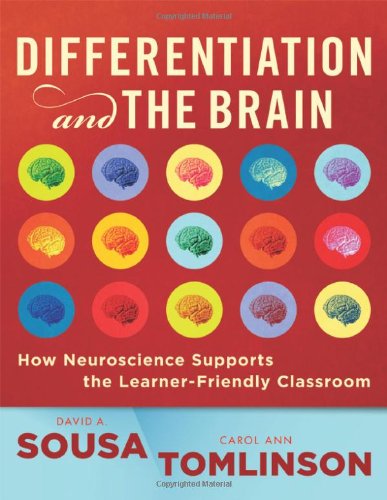
Differentiation and the Brain How Neuroscience Supports the Learner Friendly Classroom 1st Edition by David A Sousa, Carol Ann Tomlinson ISBN 1935249592 9781935249597


Original price was: $50.00.$35.00Current price is: $35.00.
Differentiation and the Brain How Neuroscience Supports the Learner Friendly Classroom 1st Edition by David A Sousa, Carol Ann Tomlinson – Ebook PDF Instant Download/Delivery: 1935249592, 9781935249597
Full download Differentiation and the Brain How Neuroscience Supports the Learner Friendly Classroom 1st Edition after payment
Product details:
ISBN 10: 1935249592
ISBN 13: 9781935249597
Author: David A Sousa, Carol Ann Tomlinson
Differentiation and the Brain How Neuroscience Supports the Learner Friendly Classroom 1st Table of contents:
1. The Nonnegotiables of Effective Differentiation
-
A Focus on Learners
-
A Model for Effective Differentiation
-
Brain Research and Differentiation
-
Differentiation in a Nutshell
2. Mindset, Learning Environment, and Differentiation
-
What Are Mindsets?
-
The Effective Teacher’s Mindset
-
Teachers Have a Lifelong Impact
-
The Classroom Must Feel Safe and Secure
-
All Students Want to Succeed
-
Teachers Must Meet the Social-Emotional Needs of Students
-
Technology Is Affecting Social Skills
-
Empathy Is Very Important
-
Students Should Feel a Sense of Ownership of Their Education
-
Teachers Should Identify and Reinforce Each Student’s Areas of Competence
-
Teachers Should Address Fears of Failure and Humiliation
-
Discipline Is a Teaching Process
-
Fixed and Growth Mindsets
-
Mindset, Teaching, and Learning
-
Fixed and Growth Mindsets and Differentiation
-
Classroom Environments and Differentiation
-
Learning Environments, Student Affect, and Differentiation
-
Learning Environments, Student Cognition, and Differentiation
-
Exercise 2.1 Questions for Teachers About Mindset, Learning Environment, and Differentiation
-
Exercise 2.2 Questions for Teachers About Student Affective Needs, Learning Environment, and Differentiation
-
Exercise 2.3 Reflections on Cognitive Traits of Learners and the Environments That Support Those Traits
-
Exercise 2.4 Questions for Teachers About Student Cognitive Needs, Learning Environment, and Differentiation
3. Curriculum and Differentiation
-
The Importance of a Quality Curriculum
-
Quality Curriculum Is Organized Around Essential Content Goals
-
Curriculum Races Are Not Brain Friendly
-
Specificity Is Important
-
Quality Curriculum Is Aligned
-
Quality Curriculum Focuses on Student Understanding
-
Learning Tasks Should Extend Understandings
-
Understandings Build Neural Networks
-
Different Pathways Lead to Common Goals
-
Quality Curriculum Engages Students
-
Quality Curriculum Is Authentic
-
Quality Curriculum Is Effectively Differentiated
-
Exercise 3.1 Questions for Teachers About the Quality of a Curriculum Unit
4. Classroom Assessment and Differentiation
-
Baggage From the Past: Negative Images of Classroom Assessment
-
Testing and Stress
-
Stress and Recall
-
Stress and Timed Tests
-
A More Productive View of Assessment
-
Purposes of Classroom Assessments
-
Assessment of Learning
-
Assessment for Learning
-
Assessment as Learning
-
Assessment and Differentiation
-
Grading and Differentiation
-
The Importance of Clear Goals
-
Exercise 4.1 Questions for Teachers to Ask to Determine Whether an Assessment Is Effective
5. Differentiating in Response to Student Readiness
-
Readiness Versus Ability
-
Why Addressing Readiness Matters
-
The Challenge of ZPD in the Classroom
-
Support From Neuroscience
-
Bridge Building
-
The Role of Classroom Elements in Planning for Readiness Differentiation
-
Learning Environment
-
Curriculum
-
Instruction
-
Assessment
-
Classroom Management
-
-
Some Guidelines for Differentiating in Response to Student Readiness
-
Content, Process, and Product Differentiation Based on Student Readiness
-
Content
-
Process
-
Product
-
-
Learning Contracts and Tiering for Differentiation
-
Learning Contracts
-
Tiering
-
-
Exercise 5.1 Questions for Teachers About Differentiating Instruction Based on Student Readiness
-
Exercise 5.2 Activities for Differentiating Content, Process, and Product Based on Student Readiness
6. Differentiating in Response to Student Interest
-
Attend to Student Interest
-
Why Student Interests Matter
-
Neuroscience and Interest
-
Seven Themes for Addressing Student Interest in the Classroom
-
The Role of Classroom Elements in Planning for Interest-Based Differentiation
-
Learning Environment
-
Curriculum
-
Assessment
-
Classroom Management
-
-
Guidelines for Differentiating in Response to Student Interest
-
Guidelines for Differentiating Content, Process, and Product Based on Student Interest
-
Content
-
Process
-
Product
-
-
Guidelines for Differentiating With Expert Groups and Sidebar Studies
-
Expert Groups
-
Sidebar Studies
-
-
Exercise 6.1 Questions for Teachers About Differentiating Instruction Based on Student Interest
-
Exercise 6.2 Activities for Differentiating Content, Process, and Product Based on Student Interest
7. Differentiating in Response to Student Learning Profile
-
The Aspects of Learning Profile
-
Learning Styles
-
Intelligence Preferences
-
Culture
-
Gender
-
-
Learning Profile: An Evolving Concept
-
What Neuroscience Research Says About Learning Profile
-
What a Learning Profile Should and Shouldn’t Mean
-
Some Guidelines for Differentiating in Response to Learning Profile
-
Differentiate Content, Process, and Product Based on Learning Profile
-
Content
-
Process
-
Product
-
-
Differentiate With Synthesis Groups and Thinking Caps
-
Synthesis Groups
-
Thinking Caps
-
-
An Additional Thought
-
Exercise 7.1 Questions for Teachers About Differentiating Instruction Based on Student Learning Profile
8. Managing a Differentiated Classroom
-
A Common View of Classroom Management
-
An Alternative View of Classroom Management
-
Eight Principles of Leading Students
-
Beginning to Lead
-
Helping Students Examine Their Learning Differences
-
Graphing Strengths
-
Trying It on for Size
-
Visiting the Doctor
-
Making Paper People
-
-
Helping Students Think About Differentiation
-
Some Guidelines for Managing a Differentiated Classroom
-
Use Anchor Activities
-
Consider Using Assigned or Home-Base Seats
-
Set Basic Parameters
-
Develop Methods for Assigning Students to Groups
-
Develop Methods for Giving Directions for Multiple Tasks
-
Develop Procedures for Students to Get Help When the Teacher Is Busy
-
-
Leading and Managing Successfully
-
Exercise 8.1 Some Guidelines to Ensure Effective Group Work
People also search for Differentiation and the Brain How Neuroscience Supports the Learner Friendly Classroom 1st:
differentiation and the brain how neuroscience
cte brain vs normal brain
how the brain creates new neural pathways
how do neuroscientists study the brain
differentiation brain
Tags: David A Sousa, Carol Ann Tomlinson, Differentiation, Neuroscience Supports, Friendly Classroom