

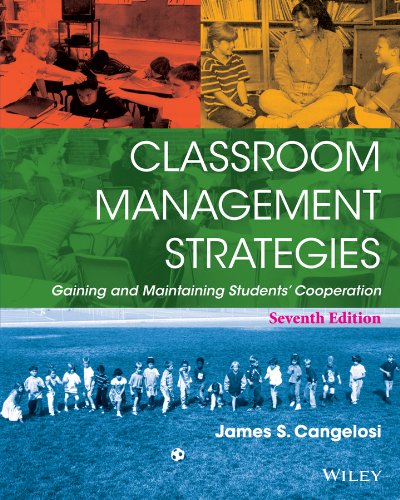
Classroom Management Strategies Gaining and Maintaining Students Cooperation 7th Edition by James S Cangelosi ISBN 1118544226 9781118544228


Original price was: $50.00.$35.00Current price is: $35.00.
Classroom Management Strategies Gaining and Maintaining Students Cooperation 7th Edition by James S Cangelosi – Ebook PDF Instant Download/Delivery: 1118544226, 9781118544228
Full download Classroom Management Strategies Gaining and Maintaining Students Cooperation 7th Edition after payment
Product details:
ISBN 10: 1118544226
ISBN 13: 9781118544228
Author: James S Cangelosi
Classroom Management Strategies Gaining and Maintaining Students Cooperation 7th Table of contents:
Part I: The Research-Based Art of Leading Students to Cooperate
Chapter 1: The Complex Art of Teaching
-
Chapter 1’s Goal and Objectives
-
Teaching Experiences: Satisfying or Frustrating
-
Teaching Cycles
-
Allocated Time and Transition Time
-
Student Behaviors (On-Task, Engaged, Off-Task, and Disruptive)
-
Prosocial and Antisocial Behaviors
-
Taking Charge in Your Classroom
-
Synthesis Activities for Chapter 1
-
Transitional Activity from Chapter 1 to Chapter 2
Chapter 2: Schools of Thought and the Research Bases for Classroom Management Strategies
-
Chapter 2’s Goal and Objectives
-
Students Need to Be Taught to Cooperate
-
Implications from Learning Theory
-
Implications from Studies of Social Interaction and Communications
-
Communication Styles and Classroom Climates
-
True Dialogues Instead of IRE Cycles
-
Other Implications Regarding Communication Styles
-
Developmental Psychology and Multicultural Education
-
Behavioristic Psychology: Learned Responses and Behavior Modification
-
Positive and Negative Reinforcers
-
Motivation and Student Engagement
-
Violence Prevention in Schools
-
Synthesis Activities for Chapter 2
-
Transitional Activity from Chapter 2 to Chapter 3
Part II: Fostering Cooperation and Preventing Discipline Problems
Chapter 3: Establishing a Favorable Climate for Cooperation
-
Chapter 3’s Goal and Objectives
-
Creating a Businesslike Climate
-
Five Steps toward a Businesslike Atmosphere
-
Beginning a New School Year
-
Students’ Perceived Notions
-
Taking Advantage of Initial Uncertainty
-
Planning for a Favorable Beginning
-
Learning Activities Conducive to a Favorable Beginning
-
Displaying Withitness
-
Modeling Preparation and Organization
-
Importance of Teaching Cycles
-
Orchestrating Smooth Transitions
-
Minimizing Transition Time
-
Efficient Use of Class Time
-
Accommodating Different Work Paces
-
Creating a Comfortable and Safe Learning Community
-
Synthesis Activities for Chapter 3
-
Transitional Activity from Chapter 3 to Chapter 4
Chapter 4: Establishing Cooperative Relationships
-
Chapter 4’s Goal and Objectives
-
Descriptive vs. Judgmental Language
-
Consequences of Judgmental Language and Labeling
-
Competition or Cooperation
-
Teaching Students to Listen
-
Using Supportive Replies and Accepting Feelings
-
Defusing Conflict
-
Modeling a Businesslike Attitude
-
Communicating Assertively and Evaluations
-
Fostering Parents’ Cooperation
-
Professional Confidence and Student Rights
-
Synthesis Activities for Chapter 4
-
Transitional Activity from Chapter 4 to Chapter 5
Chapter 5: Standards for Conduct, Routine Procedures, and Safe-School Policies
-
Chapter 5’s Goal and Objectives
-
Standards for Classroom Conduct
-
Procedures for Smoothly Operating Classrooms
-
Politeness and Courtesy
-
Teaching Standards and Procedures to Students
-
Schoolwide Discipline Policies
-
Developing Safe-School Programs
-
Violence-Prevention Strategies
-
Working with Gang-Affiliated Students
-
Essentials of an Effective Safe-School System
-
Synthesis Activities for Chapter 5
-
Transitional Activity from Chapter 5 to Chapter 6
Chapter 6: Working with Individual Differences among Students
-
Chapter 6’s Goal and Objectives
-
Relating to Students as Individuals
-
Inclusion Strategies
-
Legal Concerns and Accommodations
-
Examples of Accommodations for Various Needs
-
Benefitting from Cultural Diversity
-
Synthesis Activities for Chapter 6
-
Transitional Activity from Chapter 6 to Chapter 7
Part III: Motivating Students to Engage in Learning Activities
Chapter 7: Conducting and Monitoring Engaging Learning Activities
-
Chapter 7’s Goal and Objectives
-
Problem-Based vs. Non-Problem-Based Learning
-
Delivering Directions Effectively
-
Monitoring Student Engagement
-
Ideas for Various Learning Sessions (Lectures, Cooperative, Discussion, Questioning, Independent Work)
-
Classroom Designs to Enhance Engagement
-
Synthesis Activities for Chapter 7
-
Transitional Activity from Chapter 7 to Chapter 8
Part IV: Confronting and Solving Discipline Problems
Chapter 8: Approaching Off-Task Behaviors Systematically
-
Chapter 8’s Goal and Objectives
-
Teaching Cycles Model for Off-Task Behaviors
-
Staying Calm and Organizing Thoughts
-
Responding Decisively or Ignoring Off-Task Behavior
-
Distinguishing Between Behavior Types
-
Options for Dealing with Misbehaviors
-
Assertiveness and Legal Rights
-
Synthesis Activities for Chapter 8
-
Transitional Activity from Chapter 8 to Chapter 9
Chapter 9: Modifying Off-Task Behavior Patterns
-
Chapter 9’s Goal and Objectives
-
Techniques for Changing Habits
-
Observation and Extinction Principles
-
Reinforcement Schedules and Cuing
-
Generalization and Discrimination
-
Modeling and Satiation
-
Synthesis Activities for Chapter 9
-
Transitional Activity from Chapter 9 to Chapter 10
Chapter 10: Dealing with Nondisruptive Off-Task Behaviors
-
Chapter 10’s Goal and Objectives
-
Mind Wandering, Daydreaming, Refusing to Participate
-
Strategies for Homework and Attendance Issues
-
Cheating on Tests
-
Synthesis Activities for Chapter 10
-
Transitional Activity from Chapter 10 to Chapter 11
Chapter 11: Dealing with Disruptive Behaviors
-
Chapter 11’s Goal and Objectives
-
Managing Nonviolent Disruptions (Talking, Interrupting, Clowning, etc.)
-
Dealing with Violent Disruptions (Bullying, Fighting, Attacks)
-
Causes and Strategies for Violence Prevention
-
Synthesis Activities for Chapter 11
-
Transitional Activity from Chapter 11 to Chapter 12
Part V: Making Classroom Management Strategies Work for You
Chapter 12: Continuing to Build Your Classroom Management Talents
-
Chapter 12’s Goal
-
Building on Experiences
-
Instructional Supervision
-
Self-Assessment and Professional Growth
People also search for Classroom Management Strategies Gaining and Maintaining Students Cooperation 7th:
when was the powerbook g4 released
shows like the power book
the powerbook jeanette winterson summary
the powerbook jeanette winterson pdf
the powerbook apple
Tags: James S Cangelosi, Classroom, Strategies Gaining, Students Cooperation