

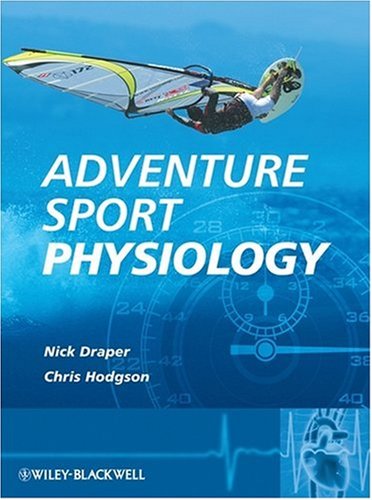
Adventure Sport Physiology 1st Edition by Nick Draper, Christopher Hodgson ISBN 0470319135 9780470319130

Original price was: $50.00.$35.00Current price is: $35.00.
Adventure Sport Physiology 1st Edition by Nick Draper, Christopher Hodgson – Ebook PDF Instant Download/Delivery: 0470319135, 9780470319130
Full download Adventure Sport Physiology 1st Edition after payment
Product details:
ISBN 10: 0470319135
ISBN 13: 9780470319130
Author: Nick Draper, Christopher Hodgson
“…the most comprehensive adventure sport physiology book I am aware of; therefore, I recommend it wholeheartedly.” The Sport and Exercise Scientist, March 2009
This book provides students and professionals with a well-written, accessible introduction to the science underlying a variety of adventure sports. Written specifically for this increasingly popular field of study, the text has been divided into two parts: the first provides the foundations for adventure physiology, the second the specific physiological and environmental demands of a range of adventure sports including kayaking, canoeing, sailing, windsurfing, climbing, mountaineering and skiing.
Written by two adventure sports performers with extensive teaching and coaching experience, this book will prove invaluable to students taking courses in adventure and outdoor education and professional instructors involved in such activities. In addition, students of sport and exercise science and physical education will find this an excellent introduction to the physiological response to exercise.
- Clearly explains the basic physiological principles and applies them to a variety of land and water-based sports.
- In full colour throughout, the book includes numerous illustrations, together with key points and chapter summaries to reinforce learning.
- Contains original pieces from elite and high-level athletes describing the physiological demands of their particular sport in a real-world context. These include London sports personality of the year Anna Hemmings, respected climbers Dave Macleod and Neil Gresham, and Olympic medallists Tim Brabants and Ben Ainslie.
- Dedicated web site contains an original sample training programme and a set of adventure sport specific exercises.
Adventure Sport Physiology 1st Table of contents:
1. Introduction to Adventure Sport Physiology
-
1.1 What Is Adventure Sport?
-
1.2 The Physiological Demands of Adventure Sports
-
1.3 The Physiology of Performance: An Overview
-
1.4 Challenges in Adventure Sports: A Unique Physiological Perspective
2. Energy Systems in Adventure Sports
-
2.1 Energy Demands of Adventure Sports
-
2.2 The Role of Aerobic and Anaerobic Systems
-
2.3 High-Intensity Activities: Fueling and Fatigue
-
2.4 Long-Duration Events and Endurance Strategies
-
2.5 Recovery and Energy Replenishment
3. Cardiovascular Physiology and Adventure Sports
-
3.1 Cardiovascular Adaptations to Training
-
3.2 The Role of the Heart and Circulatory System in Performance
-
3.3 Cardiac Output and Oxygen Transport During Extreme Activity
-
3.4 Acute and Chronic Responses to Adventure Sports
4. Muscular Physiology and Performance
-
4.1 Muscle Fiber Types and Their Role in Adventure Sports
-
4.2 Muscle Contraction and Fatigue Mechanisms
-
4.3 Strength, Endurance, and Power in Adventure Sports
-
4.4 Muscle Adaptation to Training in Adventure Athletes
5. Respiratory Physiology in Adventure Sports
-
5.1 The Mechanics of Breathing During Activity
-
5.2 Oxygen Consumption and Utilization
-
5.3 Altitude and Hypoxic Training
-
5.4 The Impact of Extreme Environments on Respiratory Function
6. Thermoregulation and Environmental Stress
-
6.1 Thermoregulation: Heat and Cold Stress
-
6.2 Hydration and Electrolyte Balance
-
6.3 Physiological Responses to Hot and Cold Environments
-
6.4 Adaptations to High-Altitude and Low-Oxygen Environments
7. The Role of Nutrition in Adventure Sport Performance
-
7.1 Nutritional Requirements for Adventure Athletes
-
7.2 Macronutrients and Their Role in Performance
-
7.3 Micronutrients and Recovery
-
7.4 Hydration Strategies and Electrolyte Management
-
7.5 Supplements and Ergogenic Aids: What Works?
8. Psychological and Cognitive Demands of Adventure Sports
-
8.1 Mental Toughness and Coping Strategies
-
8.2 Stress, Anxiety, and Focus During Adventure Sports
-
8.3 Cognitive Load and Decision-Making Under Pressure
-
8.4 The Psychology of Endurance Sports
9. Injury Prevention and Rehabilitation in Adventure Sports
-
9.1 Common Injuries in Adventure Sports
-
9.2 Risk Factors and Injury Mechanisms
-
9.3 Injury Prevention Strategies
-
9.4 Rehabilitation and Recovery Techniques
-
9.5 Long-Term Health Considerations
10. Training for Adventure Sports
-
10.1 Principles of Training for Adventure Athletes
-
10.2 Building Strength, Endurance, and Speed
-
10.3 Periodization and Training Plans
-
10.4 Cross-Training for Adventure Sports
-
10.5 Mental and Psychological Preparation for Adventure Sports
11. Adventure Sport Physiology: A Holistic Approach
-
11.1 Integrating Physiological, Psychological, and Environmental Factors
-
11.2 Individual Differences and Sport-Specific Demands
-
11.3 Technology and Monitoring in Adventure Sports
-
11.4 Future Trends in Adventure Sport Physiology
People also search for Adventure Sport Physiology 1st:
advanced physiology
advanced exercise physiology textbook
advanced physiology course
advanced physiology quizlet
advanced physiology syllabus