

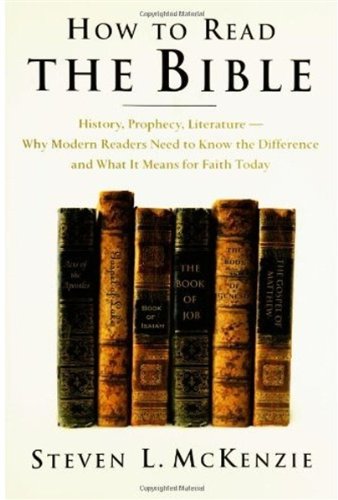
How to Read the Bible History Prophecy Literature Why Modern Readers Need to Know the Difference and What It Means for Faith Today 1st Edition by Steven L Mckenzie ISBN 0195161491 9780195161496
Original price was: $50.00.$35.00Current price is: $35.00.
How to Read the Bible History Prophecy Literature Why Modern Readers Need to Know the Difference and What It Means for Faith Today 1st Edition by Steven L Mckenzie – Ebook PDF Instant Download/Delivery: 0195161491, 9780195161496
Full download How to Read the Bible History Prophecy Literature Why Modern Readers Need to Know the Difference and What It Means for Faith Today 1st Edition after payment
Product details:
ISBN 10: 0195161491
ISBN 13: 9780195161496
Author: Steven L Mckenzie
McKenzie argues that to comprehend the Bible we must grasp the intentions of the biblical authors themselves–what sort of texts they thought they were writing and how they would have been understood by their intended audience. In short, we must recognize the genres to which these texts belong. McKenzie examines several genres that are typically misunderstood, offering careful readings of specific texts to show how the confusion arises, and how knowing the genre produces a correct reading. The book of Jonah, for example, offers many clues that it is meant as a humorous satire, not a straight-faced historical account of a man who was swallowed by a fish. Likewise, McKenzie explains that the very names “Adam” and “Eve” tell us that these are not historical characters, but figures who symbolize human origins (“Adam” means man, “Eve” is related to the word for life ). Similarly, the authors of apocalyptic texts–including the Book of Revelation–were writing allegories of events that were happening in their own time. Not for a moment could they imagine that centuries afterwards, readers would be poring over their works for clues to the date of the Second Coming of Christ, or when and how the world would end.
How to Read the Bible History Prophecy Literature Why Modern Readers Need to Know the Difference and What It Means for Faith Today 1st Table of contents:
chapter 1 – understanding biblical history
historical books and narratives
chronology and historical events
contextualizing ancient Israel and early Christianity
chapter 2 – prophecy and its role
major and minor prophets
interpreting prophetic literature
symbolism and fulfillment
chapter 3 – poetry and wisdom literature
psalms, proverbs, and song of songs
literary devices and themes
wisdom and ethical teachings
chapter 4 – the gospels and narrative literature
structure and purpose of the gospels
literary techniques in narrative
historical and theological considerations
chapter 5 – epistles and letters
pauline and general epistles
rhetorical strategies and argumentation
guidance for faith and practice
chapter 6 – apocalyptic literature
revelation and symbolic visions
interpretation challenges
historical and modern perspectives
chapter 7 – reading for today
distinguishing genres and contexts
applying biblical texts to contemporary faith
balancing historical-critical and devotional reading
chapter 8 – practical strategies for readers
tools and resources for study
guidelines for interpretation
common pitfalls and misunderstandings
People also search for How to Read the Bible History Prophecy Literature Why Modern Readers Need to Know the Difference and What It Means for Faith Today 1st:
how to read the bible history prophecy literature
how to read prophetic books of the bible
revelation bible prophecy
what are the 18 prophetic books of the bible
what are the 12 books of prophecy in the bible
Tags: Steven L Mckenzie, Bible History, Readers