

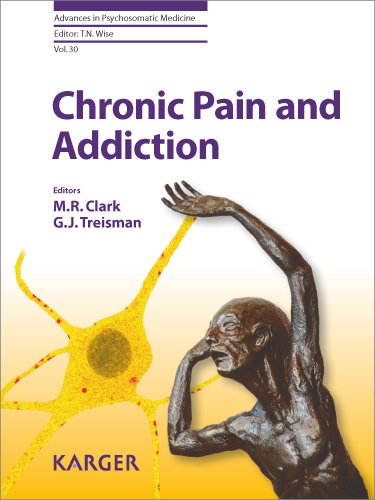
Chronic Pain and Addiction 1st Edition by M R Clark ,G J Treisman ISBN 3805597258 978-3805597258

Original price was: $50.00.$35.00Current price is: $35.00.
Chronic Pain and Addiction 1st Edition by M.R.Clark ,G.J.Treisman – Ebook PDF Instant Download/Delivery:3805597258 ,978-3805597258
Full download Chronic Pain and Addiction 1st Edition after payment
Product details:
ISBN 10:3805597258
ISBN 13:978-3805597258
Author:M.R.Clark ,G.J.Treisman
The relationship between chronic pain and addiction Patients with chronic pain understandably seek relief from their distress and discomfort, but many medications that alleviate pain are potentially addictive, and most chronic pain conditions only have a temporary response to opiate analgesic drugs. This volume reviews the fundamental topics that underlie the complex relationships of this controversial domain. The authors review behavioral models and practical methods for understanding and treating chronic pain and addiction including methods to formulate patients with complex comorbidity and screen patients with chronic pain for addictive liability. Finally, the authors describe the current findings from clinical and basic science that illuminate the role of opiates, cannabinoids and ketamine in the treatment of chronic pain. Up to date and comprehensive, this book is relevant to all professionals engaged in the care of patients with chronic pain or addiction and all others interested in these contemporary issues, particularly non-clinicians seeking clarity in the controversy over the best approach to patients with chronic pain.
Table of contents:
From Stigmatized Neglect to Active Engagement
Abstract
Refractory Chronic Pain Does Not Equal Addiction
Enhancing Treatment with Integrated Approaches
Interdisciplinary Treatment Plans
Treating Psychopathology to Optimize Outcomes with Long-Term Opioid Therapy
Future Research
Conclusions
References
A Behaviorist Perspective
Abstract
Behavior and Chronic Pain
A Behavioral Model of Addiction
A Behavioral Approach to the Treatment of Chronic Pain
Conclusions
References
Addiction and Brain Reward and Antireward Pathways
Abstract
Addiction – An Age-Old Medical and Societal Problem
The Brain’s Reward Circuitry
The Intense Nature of Brain Stimulation Reward
Using Electrical Brain Stimulation Reward to Assess the Degree of Reward Evoked by Addictive Drugs
Activation of Brain Reward Substrates by Direct Intracerebral Microinjection of Addictive Drugs
The Crucial Reward Neurotransmitter in the Brain Is Dopamine
Brain Antireward Systems and Addiction – Proponent and Opponent Brain Reward Processes
Brain Antireward Systems and Addiction – Brain Reward Processes during Withdrawal
Brain Antireward Systems and Addiction – ‘Reward Deficiency’ as a Driving Force in Addiction
The Functional Roles of the Crucial Nucleus Accumbens Reward Neurons
Genetic and Experiential Contributions to the Disease of Addiction
Contributions to Addiction Vulnerability at the Animal Level
Contributions to Addiction Vulnerability at the Human Level
Neurobiologically Measured Aberrations of Brain Reward Function as Addiction Vulnerability Factors
The Natural Progression of the Disease of Addiction
Addiction and Physical Dependence – Different Phenomena and Different Brain Substrates
Persistent Drug Craving and Relapse – The Real Clinical Problem in Addiction
Neuroanatomy and Neurochemistry of Brain Circuits Mediating Relapse
Incubation of Craving – An Animal Model of the Extreme Fragility of Control over Vulnerability to Relapse in Human Addicts
The Disentanglement of Important Addiction-Related Phenomena
Can One Induce Addiction by Long-Term Treatment of Pain with Opiates?
Brain Reward/Antireward Pathways and Mechanism-Based Medication Development for Treatment of Addiction
A Final Comment
Acknowledgments
References
Opioid Therapy in Patients with Chronic Noncancer Pain: Diagnostic and Clinical Challenges
Abstract
Opioid Therapy- Long-Term Efficacy
Diagnostic Challenges
Pain and Comorbid Psychiatric Disorders
Diagnostic Issues
Additional Side Effects/Complications of Opioid Therapy
Aberrant Drug-Related Behaviors
Opioid Therapy Guidelines
Universal Precautions
Risk Assessment and Monitoring
Risk Assessment
Monitoring
Treatment of Patients with Chronic Pain and OA
Pharmacotherapy
Methadone
Buprenorphine
Abuse-Deterrent Opioid Formulations
Nonopioid Adjunctive Medications for Pain Control
Psychosocial Interventions
Cognitive and Operant Behavioral Therapy
12-Step Programs
Complementary and Alternative Medicine
Integrated Program for Chronic Pain and Addiction
Discussion
Acknowledgments
References
Optimizing Treatment with Opioids and Beyond
Abstract
Is Chronic Pain a Problem for Opioid-Dependent Patients?
Can Chronic Pain Be Evaluated in Opioid-Dependent Patients?
The Relationship between Substance Use Disorders and Chronic Pain Conditions
What, if Any, Relationship Exists between Prescription Opioid Abuse and Chronic Pain?
Do Opioids ‘Treat’ Chronic Pain?
What Do Patients Believe about Their Medication Use?
Do Physicians Lack the Fund of Knowledge for Prescribing Opioids?
What Is the Effect of Chronic Pain on Response to Drug Abuse Treatment?
How Do Comorbid Psychiatric Conditions Impact the Course of Chronic Pain and Opioid Dependence?
What Paradigm Exists for the Formulation and Treatment of Patients with Chronic Pain?
Diseases
Behaviors
Dimensions
Life Story
Enhancing Treatment: New Recommendations for Integrated Approaches
Stepped-Care Treatment of Chronic Pain with Opioids in Opioid-Dependent Patients
Conclusions and Future Research
References
Screening for Abuse Risk in Pain Patients
Abstract
Pain and Substance Abuse
Pain Assessment
Screening Tools for Pain Populations
Atluri Screening Tool
Chemical Coping Inventory
Diagnosis, Intractability, Risk, and Efficacy Score
Opioid Risk Tool
Screener and Opioid Assessment for Patients with Pain
Screening Instrument for Substance Abuse Potential
Screening Tool for Addiction Risk
Screening Tools for Nonpain Populations
Drug Abuse Problem Assessment for Primary Care
Drug Abuse Screening Test
Kreek-McHugh-Schluger-Kellogg Scale
Substance Abuse Subtle Screening Inventory
Two-Item Conjoint Screen
Interview Tools
Addiction Severity Index (ASI)
Alcohol and Drug Diagnostic Instrument and Substance Use Disorder Diagnostic Schedule
Documentation
Pain Assessment and Documentation Tool
Discussion
Conclusion
References
Cannabinoids for Pain Management
Abstract
History
Mechanism of Action of Cannabinoids
Synthetic versus Natural Cannabinoids
Pharmacokinetics and Pharmacodynamics of Cannabinoids
Evidence of Efficacy
Nociceptive Pain
Peripheral Neuropathic Pain
Central Pain
Spasticity
Adverse Effects
Conclusions
References
Ketamine in Pain Management
Abstract
Brief History
Mechanism of Action
Pharmacokinetics and Pharmacodynamics
Evidence for Analgesic Efficacy
Ketamine and Opioids
Nociceptive Pain
Alternative Delivery Systems
Neuropathic Pain
Central Pain
Preemptive Analgesia
Adverse Effects
Abuse Potential
Conclusions
References
People also search for:
chronic pain and substance use disorder
rates of opioid misuse abuse and addiction in chronic pain
opioid dependence and addiction during opioid treatment of chronic pain
chronic pain and addiction challenging co occurring disorders
what are the effects of long term chronic pain
Tags: M R Clark , G J Treisman, Chronic, Pain