

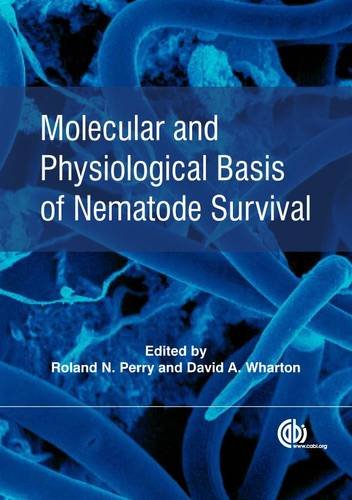
Molecular and physiological basis of nematode survival 1st Edition by Roland N Perry, David A Wharton ISBN 1845936876


Original price was: $50.00.$35.00Current price is: $35.00.
Molecular and physiological basis of nematode survival 1st Edition by Roland N Perry, David A Wharton – Ebook PDF Instant Download/Delivery: 1845936876
Full download Molecular and physiological basis of nematode survival 1st Edition after payment
Product details:
ISBN 10: 1845936876
ISBN 13:
Author: Roland N Perry, David A Wharton
Nematodes are renowned for their ability to survive severe environmental fluctuations. Their mechanisms to withstand temperature extremes, desiccation, and osmotic and ionic stress are presented here together with information on the underlying biochemical basis contributing to survival. Highlighting parallels and contrasts between parasitic and free-living nematode groups, this book integrates strategies that enable nematodes to persist in the absence of food with tactics used by parasitic forms to survive the defence responses of a plant or animal host. This functional study is an essential resource for researchers in nematology, parasitology and zoology.
Molecular and physiological basis of nematode survival 1st Table of contents:
-
Nematode Physiology
- 2.1 Basic Anatomical Features of Nematodes
- 2.2 Nematode Nervous and Muscular Systems
- 2.3 Digestive and Excretory Systems of Nematodes
-
Molecular Mechanisms of Nematode Survival
- 3.1 Stress Responses and Adaptations
- 3.2 Molecular Chaperones and Protein Homeostasis
- 3.3 Antioxidant Defense Mechanisms
- 3.4 Genetic Plasticity and Mutation in Nematodes
-
Metabolic Adaptations for Survival
- 4.1 Energy Metabolism in Nematodes
- 4.2 Adaptation to Anoxia and Hypoxia
- 4.3 Osmoregulation and Water Balance in Nematodes
-
Survival Under Extreme Environmental Conditions
- 5.1 Nematodes in Extreme Temperature Environments
- 5.2 Survival in Desiccation and Drought
- 5.3 Mechanisms of Dormancy: Cryptobiosis and Diapause
-
Molecular Signaling Pathways in Nematode Survival
- 6.1 Hormonal Regulation of Growth and Development
- 6.2 Insulin/IGF Signaling in Stress Resistance
- 6.3 mTOR Pathway and Lifespan Extension
-
Nematode Immunity and Pathogen Defense
- 7.1 Immune System of Nematodes: Overview
- 7.2 Molecular Recognition of Pathogens
- 7.3 Immune Evasion Strategies in Parasitic Nematodes
-
Nematode Behavior and Survival Tactics
- 8.1 Chemosensation and Foraging Behavior
- 8.2 Nematode Movement and Habitat Selection
- 8.3 Social Behavior and Interaction with Hosts
-
Interactions with the Host: Symbiosis and Parasitism
- 9.1 Nematode-Host Interactions: Mutualism and Commensalism
- 9.2 Parasitic Nematodes and Host Immune Evasion
- 9.3 Molecular Adaptations to Parasitism
-
Biotechnology and Nematode Research Applications
- 10.1 Nematodes as Model Organisms in Research
- 10.2 Agricultural Implications: Pest Management and Crop Protection
- 10.3 Nematodes in Bioremediation and Environmental Science
-
Challenges and Future Directions
- 11.1 Limitations in Nematode Survival Studies
- 11.2 Unresolved Questions in Molecular and Physiological Mechanisms
- 11.3 Future Research Directions and Technological Advances
People also search for Molecular and physiological basis of nematode survival 1st:
physiological and molecular basis of heterosis
physiological and molecular basis of thyroid hormone action
discuss the physiological and molecular basis of muscle contraction
describe the physiological and molecular basis of heterosis
plant developmental biology physiological and molecular basis
Tags:
Roland N Perry,David A Wharton,Molecular,physiological,nematode survival