

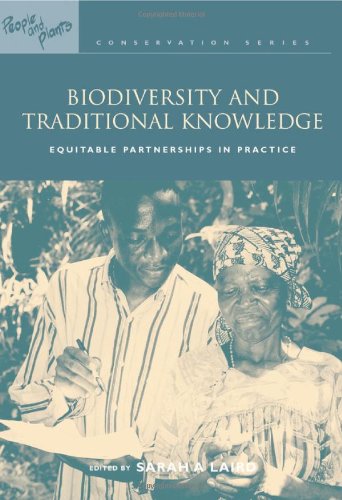
Biodiversity and Traditional Knowledge Equitable Partnerships in Practice People and Plants Conservation Series 1st Edition by Sarah A Laird ISBN 1853836982 9781853836985


Original price was: $50.00.$35.00Current price is: $35.00.
Biodiversity and Traditional Knowledge Equitable Partnerships in Practice People and Plants Conservation Series 1st Edition by Sarah A Laird – Ebook PDF Instant Download/Delivery: 1853836982, 9781853836985
Full download Biodiversity and Traditional Knowledge Equitable Partnerships in Practice People and Plants Conservation Series 1st Edition after payment
Product details:
ISBN 10: 1853836982
ISBN 13: 9781853836985
Author: Sarah A Laird
Biodiversity and Traditional Knowledge Equitable Partnerships in Practice People and Plants Conservation Series 1st Table of contents:
Section I Biodiversity Research Relationships
1 Laying the Foundation: Equitable Biodiversity Research Relationships
Introduction
The Characteristics of Biodiversity Research
Who
What
Where
Why
Biodiversity Research and the Changing ‘Ethical Envelope’
The Geopolitics of Biodiversity
Biodiversity Research and the Convention on Biological Diversity
Development of a Concept of Ethics in Biodiversity Research Circles
Ethics and the Social Sciences
Ethics and the Life Sciences
Ethics and Biodiversity Research
Biodiversity Research Relationships as Intercultural Communication
New Responsibilities for Biodiversity Researchers
Conclusion
2 Professional Society Standards for Biodiversity Research: Codes of Ethics and Research Guidelines
What is a Code of Ethics?
What are Research Guidelines?
Are Codes of Ethics and Guidelines Necessary?
Combining Codes of Ethics and Research Guidelines
The Process of Developing a Code of Ethics and Research Guidelines
International Society of Ethnobiology (ISE)
The American Society of Pharmacognosy (ASP)
The Society for Economic Botany (SEB)
Conclusion
Note
3 Institutional Policies for Biodiversity Research
What are Research Institutions and How are they Involved?
Why Develop an Institutional Policy?
Working Towards a Comprehensive Policy for Academic and Commercial Research
The Process of Developing a Policy
Institutional Policies in the North and South
Institutional Policy as a Commitment to Best Practice
Notes
4 Publication of Biodiversity Research Results and the Flow of Knowledge
Publication and Academic Traditions
Biodiversity Research and Publications
The Flow of Cultural Knowledge
The Precautionary Principle
Publication and the Politics of Recording Cultural Knowledge
Professional Research Organizations and Publications
Funders’ and Sponsors’ Expectations for Publishing
Precautionary and Innovative Approaches to the Publication and Dissemination of Research Results
Determining How and What to Publish
Controlling the Distribution of Published Material
Conclusion
5 ‘Giving Back’: Making Research Results Relevant to Local Groups and Conservation
A Growing Awareness of the Need for ‘Giving Back’
Why ‘Give Back’?
Forms of ‘Giving Back’
Lessons Learned and Issues Raised
Lessons Learned in ‘Giving Back’ Scientific Data
Broader Issues Associated with ‘Giving Back’ Scientific Data
Note
Section II Biodiversity Research and Prospecting in Protected Areas
6 Protected Area Research Policies: Developing a Basis for Equity and Accountability
Research in Protected Areas
Academic and Commercial Research: The Dwindling Divide
National Access and Benefit-Sharing Measures and Protected Areas
Local Communities and Protected Area Research
Research Policies and their Effective Implementation
Notes
Section III Community Relationships with Researchers
7 Building Equitable Research Relationships with Indigenous Peoples and Local Communities: Prior Informed Consent and Research Agreements
Introduction
The Legal and Policy Context
Rights Underlying Equitable Partnerships and Collaborations
Prior Informed Consent and Consultation
Prior Informed Consent
Broader Consultation
Research Agreements
Community Research Agreements: Summary of Key Elements
Annex 7.1 Prior Informed Consent: The Anthropology and Politics of Cross-cultural Exchange
Introduction
The Implications of ‘Consent’
The Implications of ‘Informed’
The Implications of ‘Prior’ Consent
Conclusion
Annex 7.2 Indigenous Peoples’ Declarations and Statements and Equitable Research Relationships
Ownership and/or Inalienable Rights Over Resources and Knowledge
Prior Informed Consent
Participation in Research and Decision-Making
Right of Veto Over Research and/or Access to Lands, Knowledge and Resources
Moratorium on Bioprospecting
Full Disclosure of Results
Compensation/Benefit-Sharing
Restitution
Codes of Ethics to Guide Research Partnerships
Annex 7.3 Prior Informed Consent: Protocol and Form
Introduction
Framework for Obtaining Informed Consent
Notes
Section IV The Commercial Use of Biodiversity and Traditional Knowledge
8 Biodiversity Prospecting: The Commercial Use of Genetic Resources and Best Practice in Benefit-Sharing
Introduction
What is Biodiversity Prospecting?
Biodiversity Prospecting: A Review of Selected Sectors
Variety in Bioprospecting
Markets and Access: The Use of Genetic Resources and Traditional Knowledge by Various Industry Sectors
Pharmaceuticals
Biotechnology
Crop Protection
Seed
Horticulture
Botanical Medicine
Natural Personal Care and Cosmetic
Demand for Access to Genetic Resources
Types of Material Acquired
Criteria for Sample Collection
Collectors of Genetic Resources
Libraries and Ex-Situ Collections
Demand for Geographic Diversity
Demand for Traditional Knowledge
Best Practice in Benefit-Sharing
Pharmaceuticals
Biotechnology Applications Other than in Health Care and Agriculture
Crop Protection
Seed
Horticulture
Botanical Medicines, Personal Care and Cosmetic Products
Corporate Steps Towards Standards of Best Practice
Company Responses to the Convention on Biological Diversity
Material Transfer Agreements
Corporate Policies
Conclusion
Note
9 Biodiversity Prospecting Contracts: The Search for Equitable Agreements
Introduction
The National Policy and Legal Context
Biodiversity Prospecting Contracts and National Legislation
Setting National Objectives for Biodiversity Prospecting Contracts
National Authorities and Biodiversity Prospecting Contracts
Negotiating Contracts
Mutually Agreed Terms
Identifying the Resources and the Parties who are the Basis for Negotiation
Establishing Rules for Negotiation
Role of Mediating Institutions
Prior Informed Consent and Traditional Knowledge Rights
Who are the ‘Providers’?
Issues Raised in Acquiring PIC for Traditional Knowledge
Incorporating Traditional Knowledge within Contracts
Biodiversity Prospecting and Intellectual Property Rights
Genetic Resources as Information Technology
Limiting IPRs
Protecting IPRs Over New Products and Processes
Preparing and Defending Patents
IPR Applications, Prior Art and the Public Domain
Obligations to Produce Products and Bring to Market
Grant-Back Clause
Enforcing Contracts and Securing Equity
Validity of Agreements
Control Mechanisms
Warranties, Indemnities and Disclaimers of Liability
Equity in Biodiversity Prospecting Contracts?
10 Elements of Commercial Biodiversity Prospecting Agreements
National Legal Context for Biodiversity Prospecting Agreements
Models for Biodiversity Prospecting Agreements
Commercial Contracts in General
Intellectual Property Licences
Material Transfer Agreements
Environmental Permits
Real Estate Leases/Land Tenure
Shrinkwrap Licence
Option Agreements
Letters of Intent
Structures for Biodiversity Prospecting Agreements
Consortium
Hub and Spoke
Elements of Biodiversity Prospecting Agreements
Conclusion
Note
Annex 10.1 Outline of Issues to Address and Language to Comsider in a Biodiversity Prospecting Agreement
Outline of Issues to Consider in Bioprospecting Agreements
11 Sharing Financial Benefits: Trust Funds for Biodiversity Prospecting
Introduction
Trust Funds: General Background
What is a Trust Fund?
The History of Conservation Trust Funds
Size and Scope of Trust Funds
Establishing a Biodiversity Prospecting Trust Fund
Feasibility Study
Designing the Trust Fund: The ‘Nuts and Bolts’
Origination Document (Constitution, Charter, Deed, Articles of Incorporation)
Governing Structure
Financial Structure
Sources of Funding
Location of Trust and Assets
Implementation
Criteria for Fund Disbursement and Compensation
Flexibility and Efficiency
Conclusion
Notes
Section V National Policy Context
12 Developing and Implementing National Measures for Genetic Resources Access Regulation and Benefit-Sharing
Introduction
Access and Benefit-Sharing Provisions in the Convention on Biological Diversity
Sovereignty Over Genetic Resources
Facilitating Access
Mutually Agreed Terms
Prior Informed Consent (PIC)
Benefit-Sharing
Initial Choices that will Influence Development of National Access and Benefit-Sharing Measures
Establishing National Policy on the Utilization of Genetic Resources
Choosing a Legislative Strategy
Intellectual Property Rights and National Access and Benefit-Sharing Measures
Guidelines for the Process of Developing National Access Legislation
National Consultation Processes
The Importance of an Integrated Approach
Institutional Capacity
Potential Elements of National Access and Benefit-Sharing Measures
Principles, Objectives and Definitions
Scope of Application and the Legal Status of Genetic Resources
Institutions to Oversee Access to Genetic Resources
The Access Determination Process
Implementation and Enforcement Provisions
Lessons from the Philippines: Development and Implementation of Executive Order 247 on Access to Genetic Resources, 1994–1999
Salient Features of the Philippines ABS Regime
Experiences in Implementation: Lessons Learned
Conclusion
Notes
Section VI Conclusions and Recommendations
13 Conclusion and Recommendations
Conclusion
Creating Conditions for Equity
Making Prior Informed Consent Work in Practice
Making Benefit-Sharing Work in Practice
The Central Role of Intermediary Institutions
Putting the Pieces Together
Recommendations for Governments who Regulate Access
Recommendations for Companies and other Organizations Who Seek Access
Recommendations for Researchers
Recommendations for Funders and Granting Agencies
Recommendations for Protected Area Managers
Recommendations for Indigenous Peoples and Local Community Groups
Directory of Useful Contacts and Resources
Biodiversity-Related Secretariats
Selected National Government Access and Benefit-Sharing Contacts
Intergovernmental Organizations
Selected NGOs, Research Institutes and Organizations Working on Biodiversity Research and Prospecting Issues
Selected Professional Research Organizations with Codes and Guidelines
Indigenous Peoples’ Organizations, Traditional Knowledge and Resource Rights Groups
Selected Industry Associations
Pharmaceutical
Botanical medicine and personal care
Seed
Horticulture
Crop Protection
Biotechnology
Socially Responsible Business Organizations
Online List Servers and Information Networks
Note
Contributors’ contact information
Acronyms and Abbreviations
Glossary
References
Introduction
Section I: Biodiversity research relationships
Section II: Biodiversity Research and Prospecting in Protected Areas
Section III: Community Relationships with Researchers
Section IV: The Commercial Use of Biodiversity and Traditional Knowledge
Section V: National policy context
People also search for Biodiversity and Traditional Knowledge Equitable Partnerships in Practice People and Plants Conservation Series 1st:
protection of biodiversity and traditional knowledge
difference between biodiversity and traditional knowledge
biodiversity and traditional knowledge in ipr
biodiversity and traditional knowledge equitable partnerships in practice
traditional knowledge and biodiversity conservation
Tags:
Sarah A Laird,Biodiversity,Traditional Knowledge,Partnerships,Practice People,Plants Conservation