

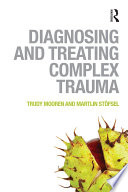
Diagnosing and Treating Complex Trauma 1st Edition by Trudy Mooren, Martijn Stöfsel ISBN 0415821134 978-1317700562


Original price was: $50.00.$35.00Current price is: $35.00.
Diagnosing and Treating Complex Trauma 1st Edition by Trudy Mooren, Martijn Stöfsel – Ebook PDF Instant Download/Delivery: 0415821134, 978-1317700562
Full download Diagnosing and Treating Complex Trauma 1st edition after payment
Product details:
ISBN 10: 0415821134
ISBN 13: 978-1317700562
Author: Trudy Mooren, Martijn Stöfsel
The term complex trauma refers to a broad range of symptoms resulting from exposure to prolonged or repeated severely traumatizing events. This broad spectrum of psychological symptoms complicates the formulation of an all-encompassing explicit definition, which in turn complicates the creation of specific treatment guidelines. In Diagnosing and Treating Complex Trauma, Trudy Mooren and Martijn Stöfsel explore the concept of complex trauma with reference to severely traumatised people including refugees, asylum seekers, war veterans, people with severe occupational trauma and childhood trauma and others who have dealt with severe violence.
The book introduces a layered model for diagnosing and treating complex trauma in four parts. Part One introduces the concept of complex trauma, its historical development and the various theories about trauma. The authors introduce a layered model that describes the symptoms of complex trauma, and conclude with a discussion on the three-phase model. Part Two describes the diagnostic options available that make use of a layered model of complex trauma. Part Three discusses the treatment of complex trauma using the three-phase model as an umbrella model that encompasses the entire treatment. Chapters cover a multitude of stabilization techniques crucial to the treatment of every client group regardless of the therapeutic expectations. This part also contains an overview of the general and specific trauma processing techniques. The last chapter in this part covers the third phase of the treatment: integration. Part Four addresses the characteristics of different groups of clients who are affected by complex trauma, the components that affect their treatment and the suggested qualities required of a therapist to deal with each group. The book concludes with a chapter discussing the consequences for therapists providing treatment to people afflicted by complex trauma.
Developed from the authors’ own clinical experiences, Diagnosing and Treating Complex Trauma is a key guide and reference for healthcare professionals working with severely traumatised adults, including psychologists, psychotherapists, psychiatrists, social-psychiatric nurses, and case managers.
Diagnosing and Treating Complex Trauma 1st Table of contents:
Part I Definition and treatment models
1 Complex trauma defined
1.1. Disruptive experiences
1.1.1. Chronic and multiple exposure
1.1.2. Interpersonal violence
1.1.3. Limited (or no) support
1.1.4. Differing impact depending on life stage
1.1.5. Childhood exposure
1.1.6. Adult exposure
1.1.7. Childhood and adult exposure
1.2. History of complex trauma
1.2.1. A brief history of PTSD
1.2.2. PTSD
1.2.3. Prevalence
1.2.4. The legitimacy of PTSD
1.2.5. Criticism
1.2.6. PTSD comorbidity with other psychological disorders
1.2.7. PTSD comorbidity with personality disorders
1.2.8. PTSD comorbidity with other problems
1.3. Trauma models
1.3.1. Complex trauma, complex PTSD, or DESNOS
1.3.2. Developmental trauma disorder
1.3.3. Enduring personality change after catastrophic experiences
1.4. A working definition of complex trauma
2 Treatment models
2.1. General treatment theories
2.1.1. Learning theory
2.1.2. Cognitive theory
2.1.3. Theories of memory
2.1.4. Cognitive theories integrated with learning theory
2.1.5. Existential theory
2.1.6. Object relations theory
2.1.7. System theory
2.1.8. Narrative school of thought
2.1.9. Dissociation
2.1.10. Resilience, resistance, and posttraumatic stress growth
2.1.11. Neurophysiological stress responses
2.2. Treatment methodologies4
2.2.1. Cognitive behavioural therapy
2.2.2. Schema therapy
2.2.3. Dialectical behavioural therapy
2.2.4. Mentalization-based therapy
2.2.5. Other methods
2.3. Treatment planning principles
2.3.1. Multidisciplinary guidelines for complex trauma
2.3.2. The three-phase model
Part II Diagnostics and indication assessment
3 Psychodiagnostics
3.1. Instrument selection
3.1.1. General symptom inventories
3.1.2. Social relationships and interactions
3.1.3. Depression
3.1.4. PTSD
3.1.5. Dissociation
3.1.6. Core cognitions
3.1.7. Personality structure
3.1.8. Complex trauma
3.2. Psychodiagnostic assessment of immigrants
4 Treatment design
4.1. Intake
4.1.1. Medical history
4.1.2. Collaboration
4.1.3. Presenting problem
4.2. Case conceptualization
4.3. Treatment indication
4.3.1. Treatment options
4.4. Treatment plan
4.5. Treatment context
4.5.1. Different disciplines
4.5.2. Treatment setting
4.5.3. Social network
Part III Treatments
5 Phase 1 – the stabilization phase
5.1. Phase 1 goals
5.2. The three-phase model and the layered complex trauma model
5.3. Window of tolerance
5.4. Comorbid problems
5.5. Therapeutic relationship
5.5.1. Reliability and clarity
5.5.2. Availability of the therapist between sessions
5.5.3. Realistic goals
5.5.4. Stop sign
5.5.5. Professional conduct
5.6. Overview of stabilization techniques
5.6.1. Stabilization techniques
5.7. Where to begin
5.8. Combinations of stabilization techniques
5.9. Medication
5.10. From stabilization to therapeutic processing
5.10.1. The transition to phase 2
5.10.2. Treatment does not always mean resolution
5.10.3. Tethering between phase 1 and phase 3
6 Phase 1 – psychoeducation
6.1. Aspects of traumatization
6.1.1. Vulnerability
6.1.2. Then and now
6.1.3. Control
6.1.4. Altered cognitions
6.2. Metaphors
6.2.1. The wedding as a metaphor for trauma processing
6.2.2. A car crash pile-up as a metaphor to explain delayed trauma reactions
6.3. The retraumatization triangle
6.3.1. Analytical model of trauma-associated reactions
6.3.2. Point of intervention
7 Phase 1 – control techniques
7.1. Improving self-care
7.1.1. Regular circadian rhythm
7.1.2. Structuring current problems
7.2. Crisis plan
7.3. Sleep hygiene
7.4. Dealing with substance use
7.5. Dissociation and grounding
7.5.1. Waiting
7.5.2. Sitting and watching
7.5.3. Colours
7.5.4. Stand or sit
7.5.5. Sensory perception
7.5.6. Request specific information
7.5.7. Physical activity
7.6. Awareness of the present: mindfulness techniques
7.7. Rational rehabilitation for PTSD
8 Phase 1 – relaxation techniques
8.1. Relaxation exercises
8.2. Breathing exercises
8.2.1. Sinus line breathing
8.2.2. Abdominal breathing
8.3. Generalizing the relaxation effect
8.4. Relaxing activities
9 Phase 1 – regulating trauma symptoms
9.1. Inventorying triggers
9.2. Stop mechanism
9.3. Safe objects
9.3.1. Defence objects
9.3.2. Objects symbolizing safety
9.3.3. Imaginary helpers
9.4. Regulating stress and aggression
9.5. Controlling reexperiences
9.5.1. A safe place
9.5.2. The chest
9.5.3. The hand as a projection screen
9.5.4. Trauma as film
9.5.5. Trauma as TV film
9.6. Nightmares
9.6.1. Nightmare rescripting
9.7. A worry place
9.8. Natural processes: promoting health
9.8.1. Thought box
9.8.2. Resource Development and Installation
9.8.3. Anchor exercise
9.9. Therapeutically processing cognitions
10 Phase 2 – general aspects of therapeutic processing
10.1. Freedom to stop
10.2. When to start therapeutic processing: the risks
10.2.1. Transition dilemma
10.2.2. Encapsulated traumatic experiences
10.3. Decision tree for therapeutically processing traumatic events
10.4. Dysregulation in phase 2: linking with phase 1
10.5. Closure
11 Phase 2 – general trauma processing techniques
11.1. Testimony therapy
11.1.1. Testimony therapy is not applicable to all trauma problems
11.1.2. Literal transcription
11.2. Other narrative techniques
11.3. Narrative Exposure Therapy
12 Phase 2 – specific trauma processing techniques
12.1. Exposure
12.1.1. Exposure and complex trauma
12.1.2. Complications
12.1.3. Structured writing
12.2. Eye Movement Desensitization and Reprocessing
12.2.1. Indication
12.2.2. EMDR and complex trauma
12.2.3. Trauma lists
12.2.4. The EMDR module
12.2.5. Complications
12.2.6. Realistic expectations
12.3. Brief Eclectic Psychotherapy for Psychotrauma
12.4. Imaginary confrontation: rescripting
12.5. Expressive therapies
12.6. Cognitive interventions
12.6.1. Cognitive therapy
12.6.2. Alterations of meaning and purpose
12.6.3. EMDR for use in changing core cognitions
12.6.4. Survivor guilt
12.6.5. The function of guilt
12.6.6. Pie-chart technique
13 Phase 3 – integration
13.1. Chronological phase completion
13.2. Jumping directly from phase 1 to phase 3
13.3. Meaningfulness
13.4. Scheduling activities
13.4.1. Education, work, and volunteerism
13.4.2. Social contacts
13.4.3. Interests and hobbies
13.5. Posttraumatic growth
13.6. Posttraumatic relapse
13.7. Chronic problems: shuttling between phase 1 and phase 3
13.8. Aftercare
13.8.1. Voucher system
13.8.2. Three-month follow-up
13.8.3. Relapse prevention
13.8.4. Long-term aftercare for chronic problems
13.9. Treatment termination
Part IV Client and therapist
14 Client groups with complex trauma
14.1. People affected by the Second World War
14.1.1. Main presenting problems
14.1.2. Factors affecting treatment
14.1.3. Typical cognitions
14.1.4. Therapist profile
14.1.5. Treatment recommendations
14.2. Refugees
14.2.1. Main presenting problems
14.2.2. Factors affecting treatment
14.2.3. Typical cognitions
14.2.4. Therapist profile
14.2.5. Treatment recommendations
14.3. War veterans
14.3.1. Main presenting problems
14.3.2. Factors affecting treatment
14.3.3. Typical cognitions
14.3.4. Therapist profile
14.3.5. Treatment recommendations
14.4. Occupational-related traumatization
14.4.1. Main presenting problems
14.4.2. Factors affecting treatment
14.4.3. Typical cognitions
14.4.4. Therapist profile
14.4.5. Treatment recommendations
14.5. Traumatized people from the post-war generation
14.5.1. Main presenting problems
14.5.2. Factors affecting treatment
14.5.3. Typical cognitions
14.5.4. Therapist profile
14.5.5. Treatment recommendations
14.6. People traumatized in early childhood
14.6.1. Main presenting problems
14.6.2. Factors affecting treatment
14.6.3. Typical cognitions
14.6.4. Therapist profile
14.6.5. Treatment recommendations
15 Therapist boundaries
15.1. Transference and countertransference
15.2. Audience to shocking stories
15.2.1. Adaptation
15.2.2. Professional distance
15.2.3. Stability
15.2.4. Balanced caseload
15.3. The impact of clients’ problems
15.3.1. Realistic treatment goals
15.4. Therapist guilt
15.5. Sharing feelings
15.6. The challenges posed by traumatized clients
People also search for Diagnosing and Treating Complex Trauma 1st :
how to diagnose complex trauma
is complex trauma a diagnosis
how to diagnose complex ptsd
how to get a complex ptsd diagnosis
characteristics of complex trauma