

Sale!
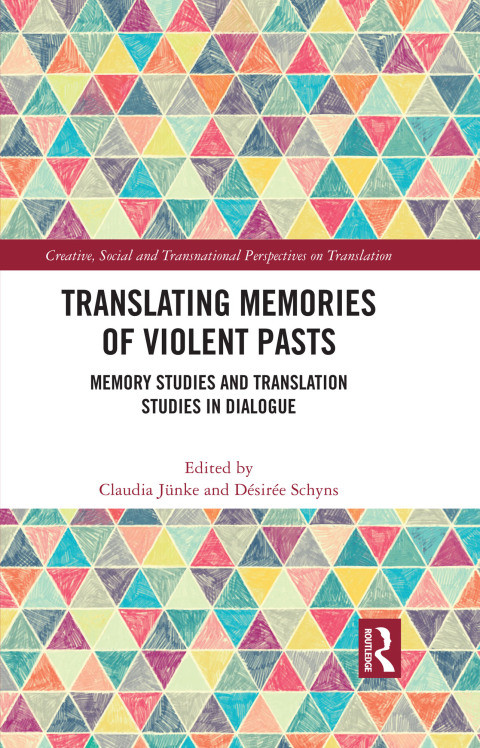
Translating Memories of Violent Pasts 1st Edition by Claudia Junke ISBN 1000921697 9781000921694
Original price was: $50.00.$35.00Current price is: $35.00.
Translating Memories of Violent Pasts 1st Edition Jünke Digital Instant Download
ISBN(s): 9781000921694, 1000921697
Edition: 1
File Details: PDF, 8.65 MB
Year: 2023
Language: english
Translating Memories of Violent Pasts 1st Edition by Claudia Junke – Ebook PDF Instant Download/Delivery: 1000921697, 9781000921694
Full download Translating Memories of Violent Pasts 1st Edition after payment
Product details:
ISBN 10: 1000921697
ISBN 13: 9781000921694
Author: Claudia Junke
This collection brings together work from Memory Studies and Translation Studies to explore the role of interlingual and intercultural translation for unpacking transcultural memory dynamics, focusing on memories of violent pasts across different literary genres. The book explores the potential of a research agenda that links narrower definitions of translation with broader notions of transfer, transmission, and relocation across temporal and cultural borders, investigating the nuanced theoretical and conceptual dimensions at the intersection of memory and translation. The volume explores memories of violent pasts – legacies of war, genocide, dictatorship, and exile across different genres and media, including testimony, autobiography, novels, and graphic novels. The collection engages in central questions at the interface of Memory Studies and Translation Studies, including whether traumatic historical experiences that resist representation can be translated, what happens when texts that negotiate such memories are translated into other languages and cultures, and what role translation strategies, translators, and agents of translations play in memory across borders. The volume will be of particular interest to students and scholars in Translation Studies, Memory Studies, and Comparative Literature.
Translating Memories of Violent Pasts 1st Table of contents:
1. Thoughts on Translation and Memory
-
Piecing Together Fragments
-
Recreating Memory
-
Translating Trauma
-
Women Writers and Memory
-
The Translator as Re-creator
-
Conclusion
-
References
2. Mnemonic Translation and the Politics of Visibility
-
Introduction
-
Memory and Translation
-
Mnemonic Translation and Historical Violence: Colonialism’s Economy of Truth
-
Mnemonic Translation and Historical Redress: Ecologies of Difference in Contemporary Memorial Culture
-
Conclusion
-
Notes
-
References
3. ‘As if Carved in Stone’: Primo Levi and the (In)Stability of Memory in Translation
-
Primo Levi, His Work, His Language
-
Levi in Translation
-
Translation and Postmemory
-
Retranslation and Postmemory
-
How the Translations and Retranslations Differ
-
Beyond the Text
-
Conclusion
-
Notes
-
References
4. From ‘Living on’ to ‘Still Alive’ and ‘Lost on the Way’: Exile, Memory, and Intersectionality as a Translation ‘of One’s Own’ in Ruth Klüger’s Autobiographical Texts
-
From the ‘Language That is Not Mine’ to the Language ‘That Is Not One’
-
‘Sisters Outsiders’: Paratextual, Intertextual, and Testimonial Intersectionality
-
A Genealogy of One’s Own
-
‘Sisters Outsiders’ on the Translational Threshold of Memory: Paratextuality as Intersectionality
-
Escaping the ‘Escape Story’: Bracketing Intertextuality with Intersectionality
-
The Brackets as ‘Bridges’ or the Translational ‘Poethics’ of Parentheses
-
Conclusion
-
Notes
-
References
5. Modiano’s Dark Light of Remembrance in Translation: Paratextual Mediation of La place de l’étoile in German, Dutch, and English
-
Introduction
-
La place de l’étoile: Denunciation and Mockery of Anti-Semitic Ideology
-
Reception in France
-
Intertextuality and the Literary Archive: The Spectre of Céline
-
Adaptations and Contexts of Translation
-
The German Translation (2010)
-
The Dutch Translation (1973)
-
The English Translation
-
Conclusion
-
Notes
-
References
6. The Editorial Framing of Polish and Spanish Translations of Jorge Semprún’s Novel Le mort qu’il faut and the Contexts of Their Reception
-
Paratexts of Literary Translation and the Transfer of Memory
-
Jorge Semprún (1923–2011), Writer and Buchenwald Survivor
-
Contexts of the Reception of Semprún’s Works in Spain and Poland
-
Editorial Paratexts of Polish and Spanish Editions of Le mort qu’il faut
-
Conclusion
-
Notes
-
References
7. Robert Schopflocher’s Self-Translation in Argentinian Exile: Reflections on German-Jewish Cultural Memory and Collective Identity
-
Introduction
-
Translating One’s Own Work
-
“Señorita Liliana”/“Fräulein Juliana”
-
“El plazo”/“Termingeschäfte”
-
“Maternidad”/“Eine Mutter”
-
Transcultural Translation and Identity
-
Conclusion
-
Notes
-
References
8. Translatio inferni: Roberto Bolaño’s Memory of the Nazis in America
-
Bolaño’s Literary Translation of Political Hells
-
Translatio inferni
-
La literatura nazi en América (1996): Bolaño’s Anthology, between Fake and Facts
-
Nocturno de Chile (1999): Jünger, Dante, Pinochet
-
2666: A Novel (2004) – A Graveyard of the Future
-
Translating Violent Pasts as a Literary Praxis of Cross-cultural Memory
-
Notes
-
References
9. Translating Genocide?: The Case of the Witness Esther Mujawayo
-
Introduction
-
Genocide in Rwanda
-
Translating Reality
-
Esther Mujawayo and Souâd Belhaddad: SurVivantes
-
French and German Editions
-
German Translation
-
Conclusion
-
Notes
-
References
10. Translating Wounds in the Contemporary Memoir: The Genocide in Rwanda and Its Aftermath in Clemantine Wamariya’s The Girl Who Smiled Beads
-
Wounds, Trauma, Translation, Testimony
-
The Girl Who Smiled Beads: A Story of War and What Comes After (2018) by Clemantine Wamariya
-
Conclusion
-
Notes
-
References
11. Translation, Trauma, and Memory in Petit pays (Gaël Faye)
-
Introduction
-
Translation, Violence and Traumatic Memory in the Story-world
-
A Protective State of Non-translation
-
Translator Figures in Petit pays
-
Translation, Intergenerational Transmission and Memorialisation
-
The Homecoming of Petit pays: Translation and Collective Memory-work
-
Concluding Remarks
-
Notes
-
References
12. Collaborative Translation and the Remediation of Intergenerational Memory in Leila Abdelrazaq’s Baddawi
-
Multimodal Translation and Memories of the Nakba in Baddawi
-
The Translators of Intergenerational Memory
-
Ahmad’s Parents and Grandparents: The Nakba Generation
-
Ahmad Abdelrazaq: The Witness Child
-
Naji al-Ali: The Political Cartoonist
-
Leila Abdelrazaq: The Activist Translator
-
Other Agents of Translation: Publishers, Editors, Graphic Designers, and Interlingual Translators
-
Conclusion
-
Note
-
References
13. The Graphic Memoir in a Translational Perspective: Childhood Memories of War in Zeina Abirached’s Mourir partir revenir: Le jeu des hirondelles and Je me souviens Beyrouth
-
Memory and Translation in Zeina Abirached’s Graphic Memoirs
-
Translating Memories into Images and Words: The War in Zeina Abirached’s Visual and Narrative Aesthetics
-
The Tapestry as a Mnemonic Object: Taking Refuge in Mourir partir revenir: Le jeu des hirondelles
-
Rewriting Georges Perec: Fragments of the Past and the Workings of Memory in Je me souviens Beyrouth
-
Interlingual Translation and Transcultural Circulation: between the Universal and the Particular
-
Concluding Remarks
-
Notes
-
References
14. Bridging Communities Affected by Past Conflict: Translation and the Processes of Memory
-
Bodies of Remembrance and the Process of Translation
People also search for Translating Memories of Violent Pasts 1st:
Tags: Claudia Junke, Memories, Violent Pasts