

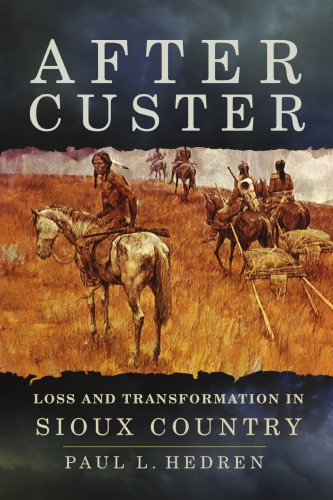
After Custer Loss and Transformation in Sioux Country 1st Edition by Paul L Hedren ISBN 0806185724 9780806185729


Original price was: $50.00.$35.00Current price is: $35.00.
After Custer Loss and Transformation in Sioux Country 1st Edition by Paul L Hedren – Ebook PDF Instant Download/Delivery: 0806185724, 9780806185729
Full download After Custer Loss and Transformation in Sioux Country 1st Edition after payment
Product details:
ISBN 10: 0806185724
ISBN 13: 9780806185729
Author: Paul L Hedren
Between 1876 and 1877, the U.S. Army battled Lakota Sioux and Northern Cheyenne Indians in a series of vicious conflicts known today as the Great Sioux War. After the defeat of Custer at the Little Big Horn in June 1876, the army responded to its stunning loss by pouring fresh troops and resources into the war effort. In the end, the U.S. Army prevailed, but at a significant cost. In this unique contribution to American western history, Paul L. Hedren examines the war’s effects on the culture, environment, and geography of the northern Great Plains, their Native inhabitants, and the Anglo-American invaders.
As Hedren explains, U.S. military control of the northern plains following the Great Sioux War permitted the Northern Pacific Railroad to extend westward from the Missouri River. The new transcontinental line brought hide hunters who targeted the great northern buffalo herds and ultimately destroyed them. A de-buffaloed prairie lured cattlemen, who in turn spawned their own culture. Through forced surrender of their lands and lifeways, Lakotas and Northern Cheyennes now experienced even more stress and calamity than they had endured during the war itself. The victors, meanwhile, faced a different set of challenges, among them providing security for the railroad crews, hide hunters, and cattlemen.
Hedren is the first scholar to examine the events of 1876–77 and their aftermath as a whole, taking into account relationships among military leaders, the building of forts, and the army’s efforts to memorialize the war and its victims. Woven into his narrative are the voices of those who witnessed such events as the burial of Custer, the laying of railroad track, or the sudden surround of a buffalo herd. Their personal testimonies lend both vibrancy and pathos to this story of irreversible change in Sioux Country.
After Custer Loss and Transformation in Sioux Country 1st Table of contents:
-
The Battle of Little Bighorn
- 2.1. Background of the Battle
- 2.2. Key Figures: General Custer and Sioux Leaders
- 2.3. The Course of the Battle and Its Outcome
- 2.4. Immediate Aftermath: The Sioux Victory
-
The Immediate Repercussions for the Sioux
- 3.1. Victory’s Short-Lived Glory: U.S. Military Response
- 3.2. The Pursuit and Retreat of the Sioux
- 3.3. The Impact on Sioux Morale and Leadership
-
The U.S. Government’s Response
- 4.1. Military Escalation and the End of Sioux Autonomy
- 4.2. The Role of the U.S. Army in Suppressing Resistance
- 4.3. The Forced Surrender and Relocation of Sioux Bands
-
Cultural and Social Transformation
- 5.1. Impact on Sioux Culture and Identity
- 5.2. The Loss of Traditional Lifestyles and Land
- 5.3. Changes in Sioux Governance and Leadership
- 5.4. The Role of Religion and Spirituality in the Transition
-
The Dawes Act and Land Allotment
- 6.1. Introduction to the Dawes Act of 1887
- 6.2. The Forced Division of Sioux Lands
- 6.3. Effects of Land Allotment on Sioux Communities
- 6.4. The Loss of Sovereignty and Autonomy
-
Assimilation Policies and the Boarding School Era
- 7.1. Government Policies Aimed at Assimilation
- 7.2. The Creation and Impact of Indian Boarding Schools
- 7.3. Cultural Erasure and the Struggle to Maintain Sioux Identity
-
The Sioux Resistance and Rebellion
- 8.1. The Ghost Dance Movement
- 8.2. The Wounded Knee Massacre
- 8.3. Lasting Effects of Repression and Resistance
-
Economic and Social Changes
- 9.1. The Economic Transition from Nomadic Hunting to Settled Agriculture
- 9.2. Challenges of Adapting to the Reservation System
- 9.3. The Rise of Poverty and Dependency on U.S. Government Aid
-
Legacies of the Battle of Little Bighorn
- 10.1. The Sioux’s Long-Term Political and Social Struggles
- 10.2. The Continuing Fight for Land and Rights
- 10.3. The Transformation of Native American Identity and Survival
-
Rebuilding and Revival: Sioux Nation in the 20th Century
- 11.1. The Rise of Native American Activism
- 11.2. Legal and Political Advances: The Indian Reorganization Act
- 11.3. Cultural Renaissance and the Revival of Traditional Practices
People also search for After Custer Loss and Transformation in Sioux Country 1st:
after custer loss and transformation in sioux country
after custer
after custer’s last stand
sioux contributions
sioux after european contact
Tags:
Paul L Hedren,Custer Loss,Transformation,Sioux Country